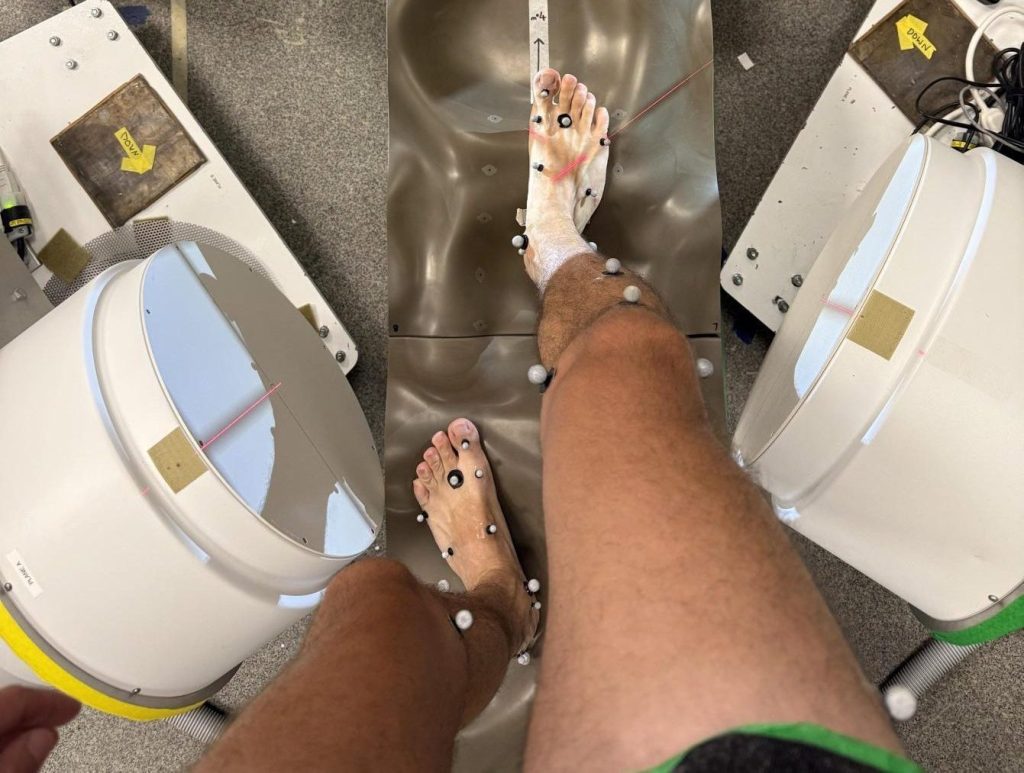
X-ray Reconstruction of Moving Morphology (XROMM) combines bi-planar X-ray videos with 3D bone models to track skeletal movement. STEPS uses XROMM to investigate how foot bones and joints move across real-world terrains, revealing how foot mechanics adapt to different surfaces.
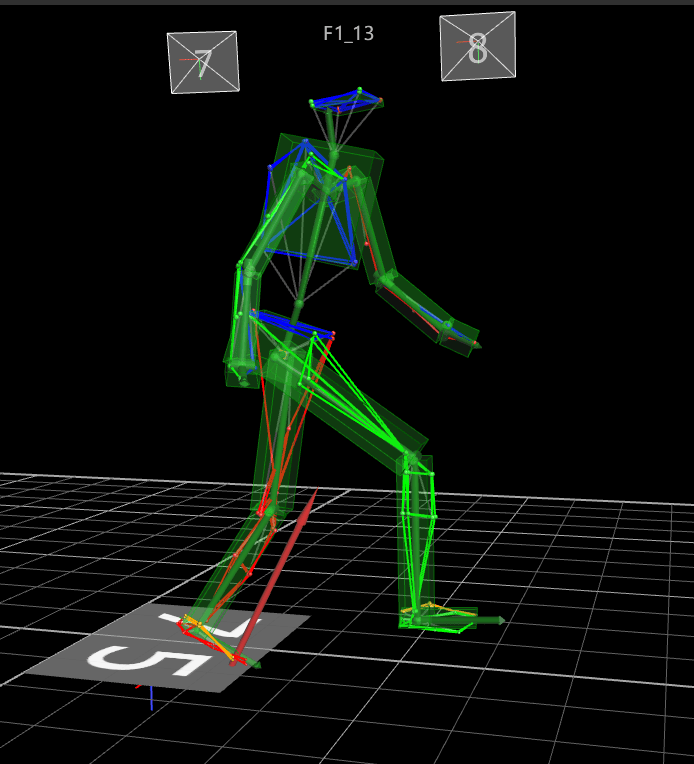
3D motion capture systems use cameras and reflective markers to track body movement in three dimensions with integrated force plate data. STEPS uses motion capture to examine how humans move across real-world terrains, revealing how full-body movements adapt to different surfaces. This helps us understand how people adjust their walking patterns to maintain stability and navigate changing terrain.
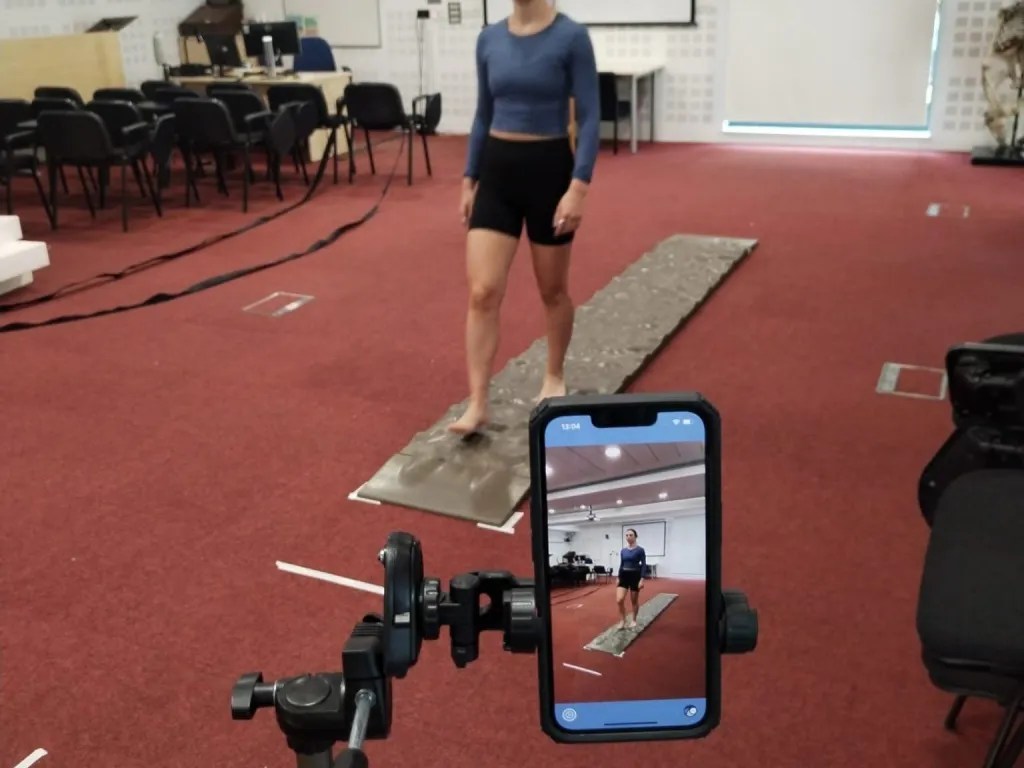
OpenCap is a markerless motion capture system that uses video recordings from smartphones to estimate 3D human movement. STEPS is testing its feasibility for capturing movement across real-world terrains, exploring whether it can provide reliable data beyond traditional laboratory settings.
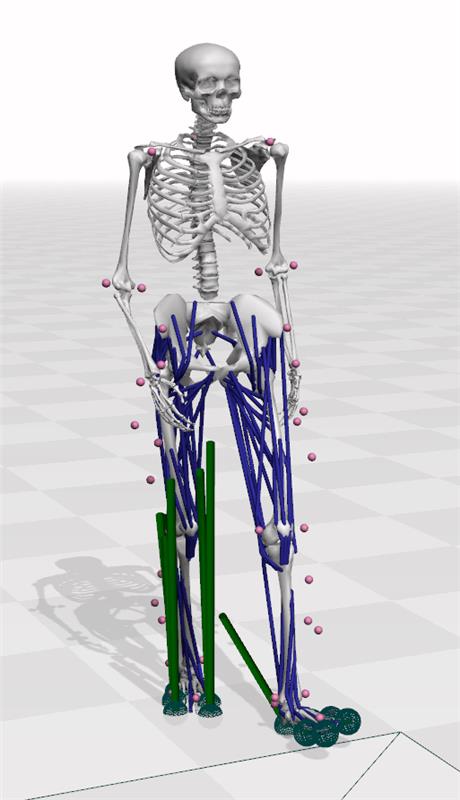
Musculoskeletal modelling uses computer-based models of the body to simulate how muscles, bones and joints work together during movement. STEPS uses these models to understand how humans move across real-world terrains and predict muscle forces, joint loading and metabolic energy expenditure. By combining movement data with simulations, we can investigate how different terrains affect movement efficiency and the energetic costs of walking. This helps us understand how the body adapts to changing environments and the biomechanical demands of locomotion.
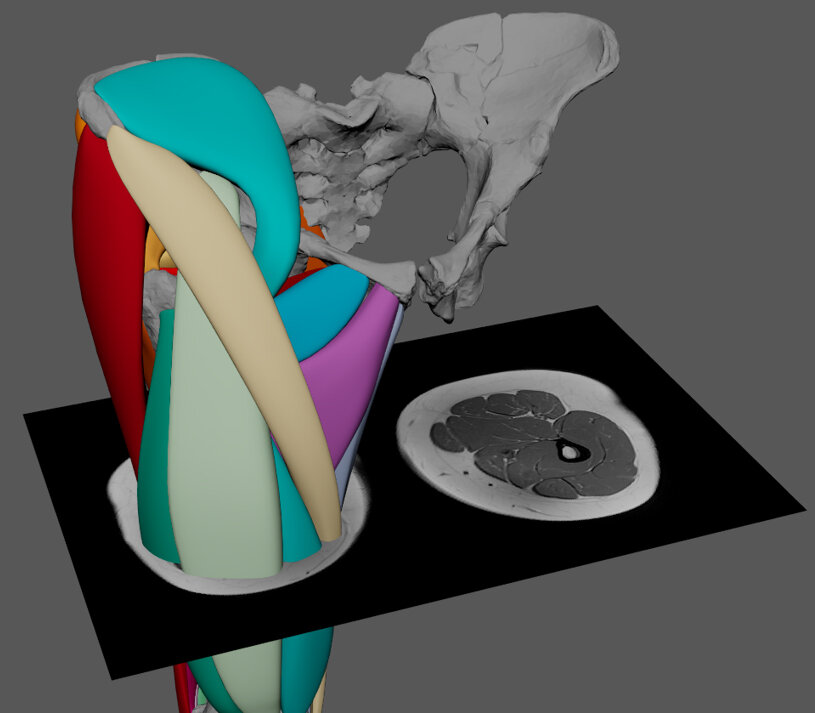
Musculoskeletal models rely on accurate muscle architecture data to predict muscle function. As soft tissue is not preserved in fossils, STEPS uses statistical modelling to reconstruct architecture in extinct hominins. These reconstructions help us better understand how our ancestors moved.
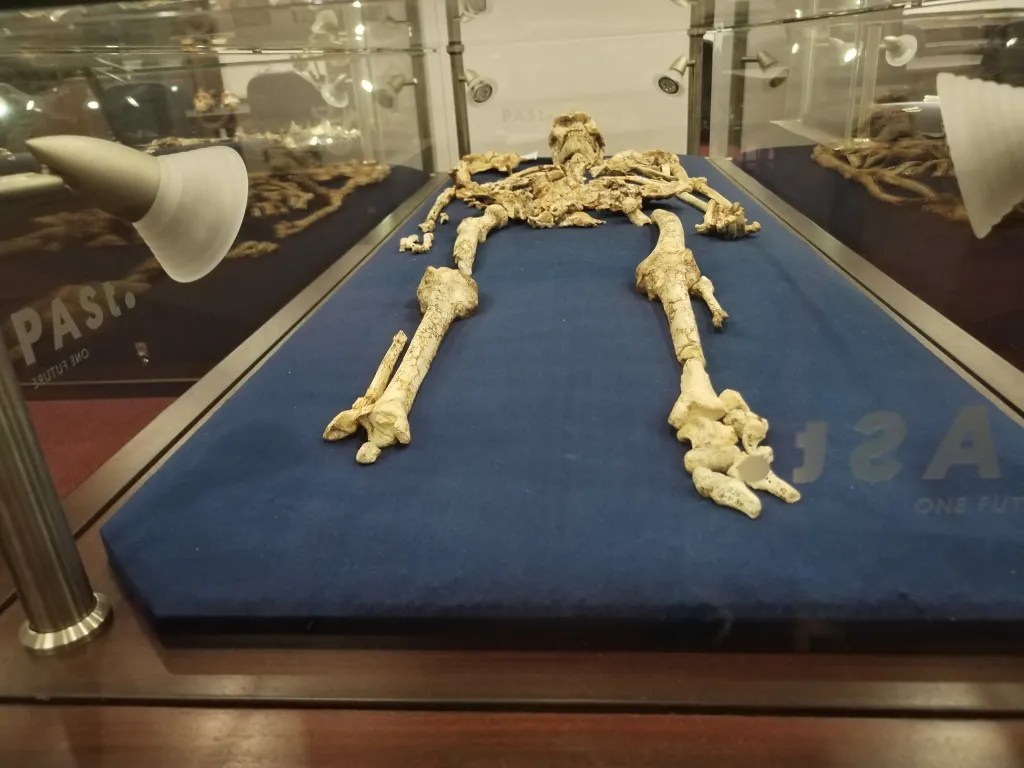
STEPS also examines fossil hominin skeletal remains. We collect 3D data using light scanning, photogrammetry, and then we use phylogenetic comparative methods to analyse the models to investigate the evolution of locomotion in our ancestors.