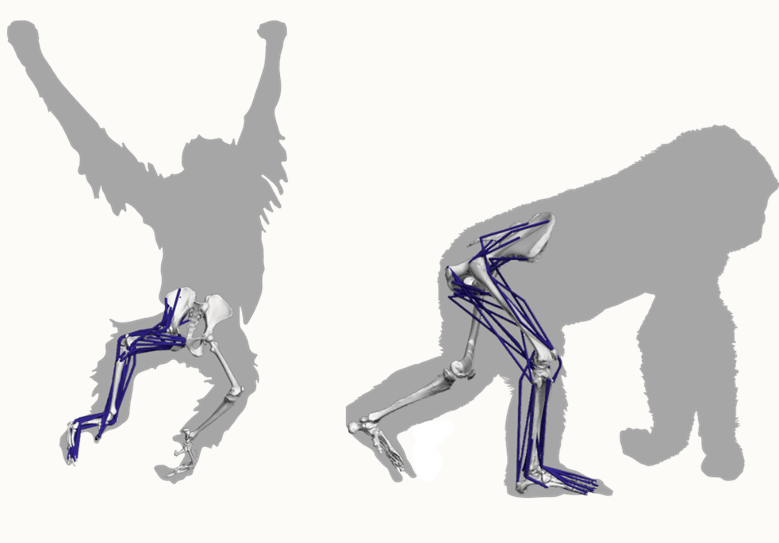
Human bipedalism is a rare and distinct form of locomotion, unlike that of any other animal. Despite its uniqueness, its evolutionary origins and ecological significance remain elusive. By walking on two legs, early hominins not only freed their hands to hold, manufacture, and use stone tools, but also gained the ability to interact with the environment in new ways, driving innovations in social structure, diet, and survival strategies.
This ultimately led to the success of Homo, our genus. Members of Homo were able to expand into a wide range of habitats, including regions beyond Africa, whereas other hominin lineages were more geographically restricted. Understanding why bipedalism became the primary adaptive strategy in Homo is central to explaining the evolutionary success and ecological flexibility of our genus.
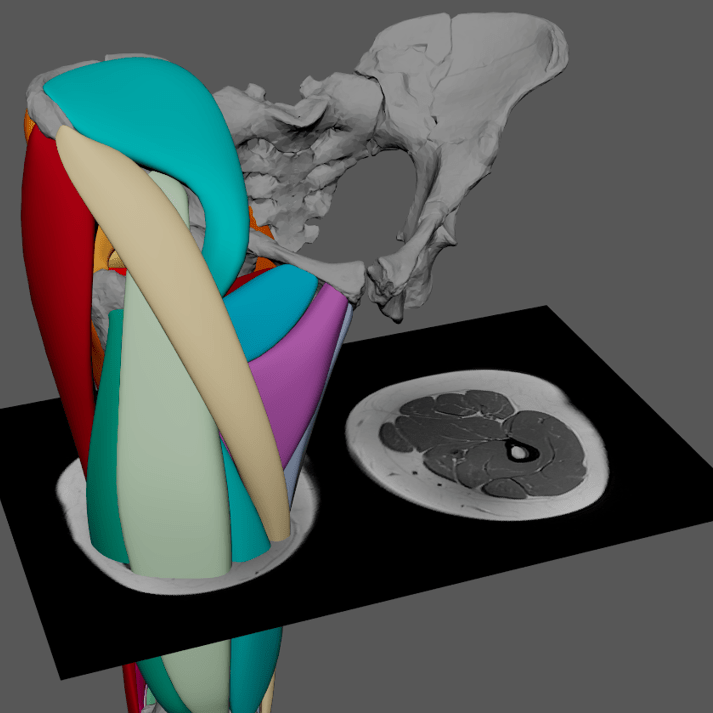
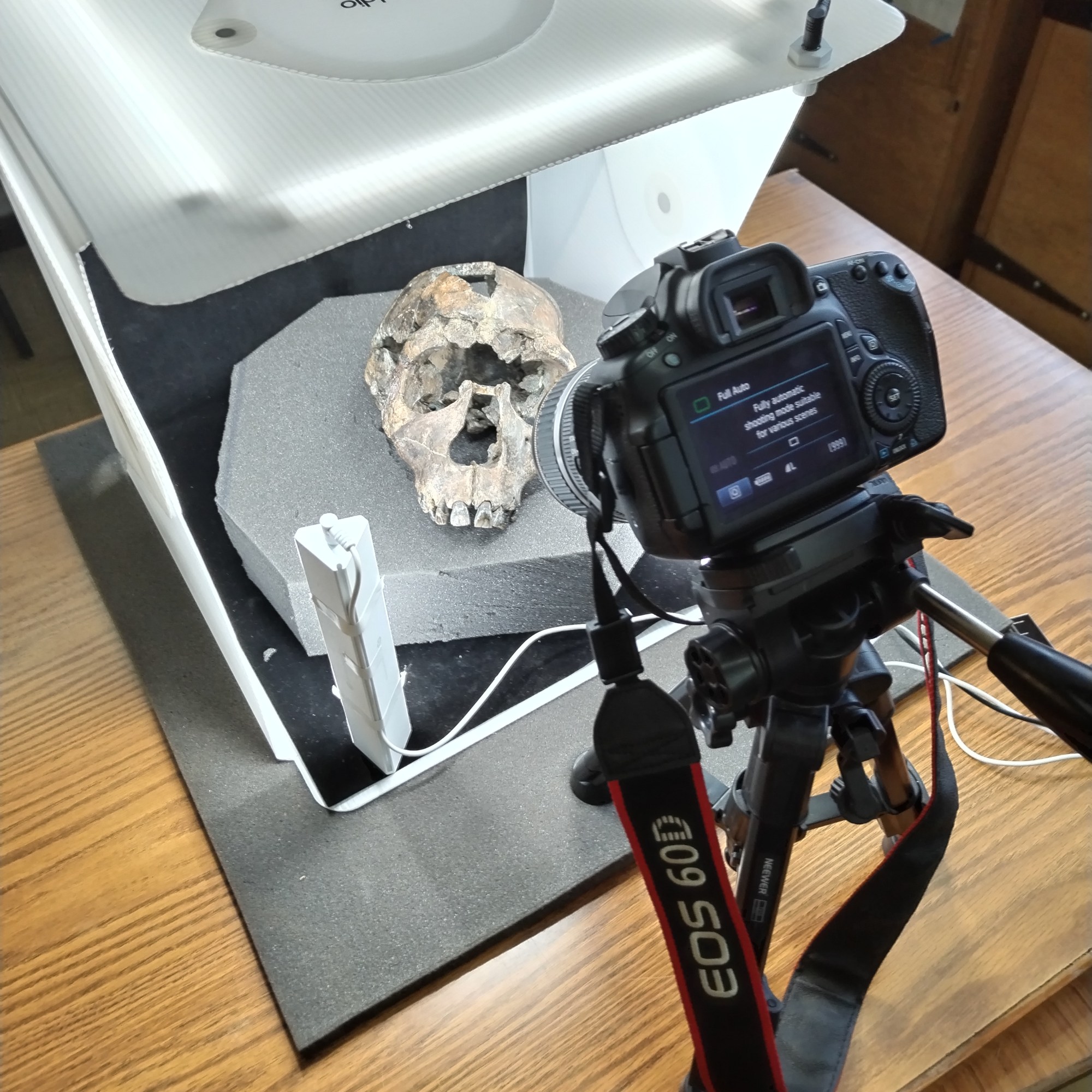
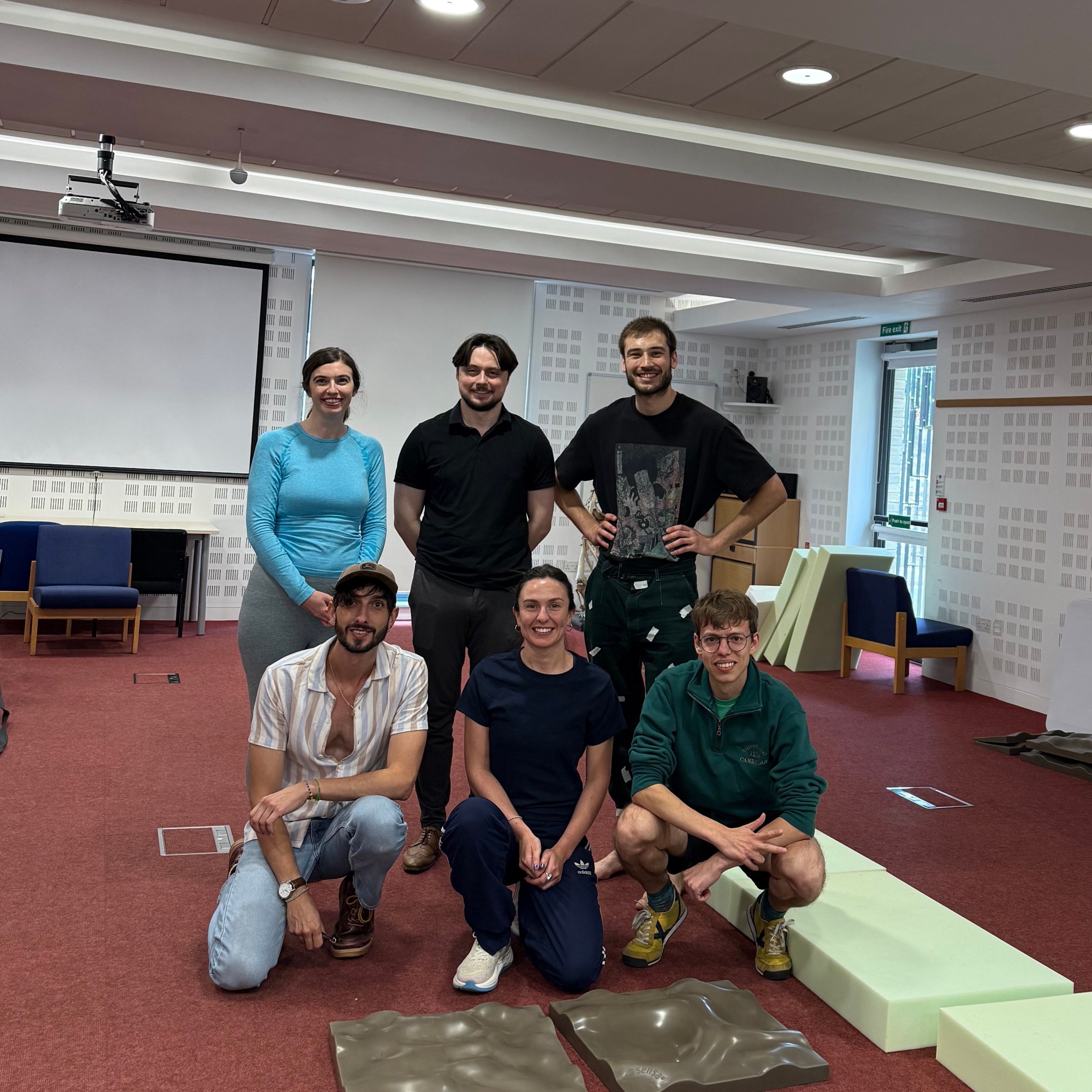
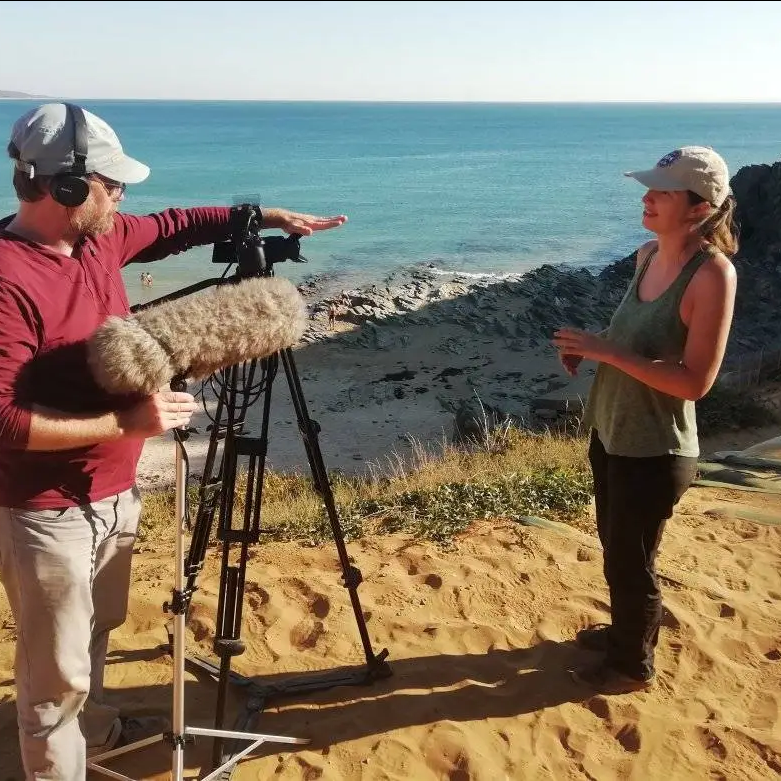
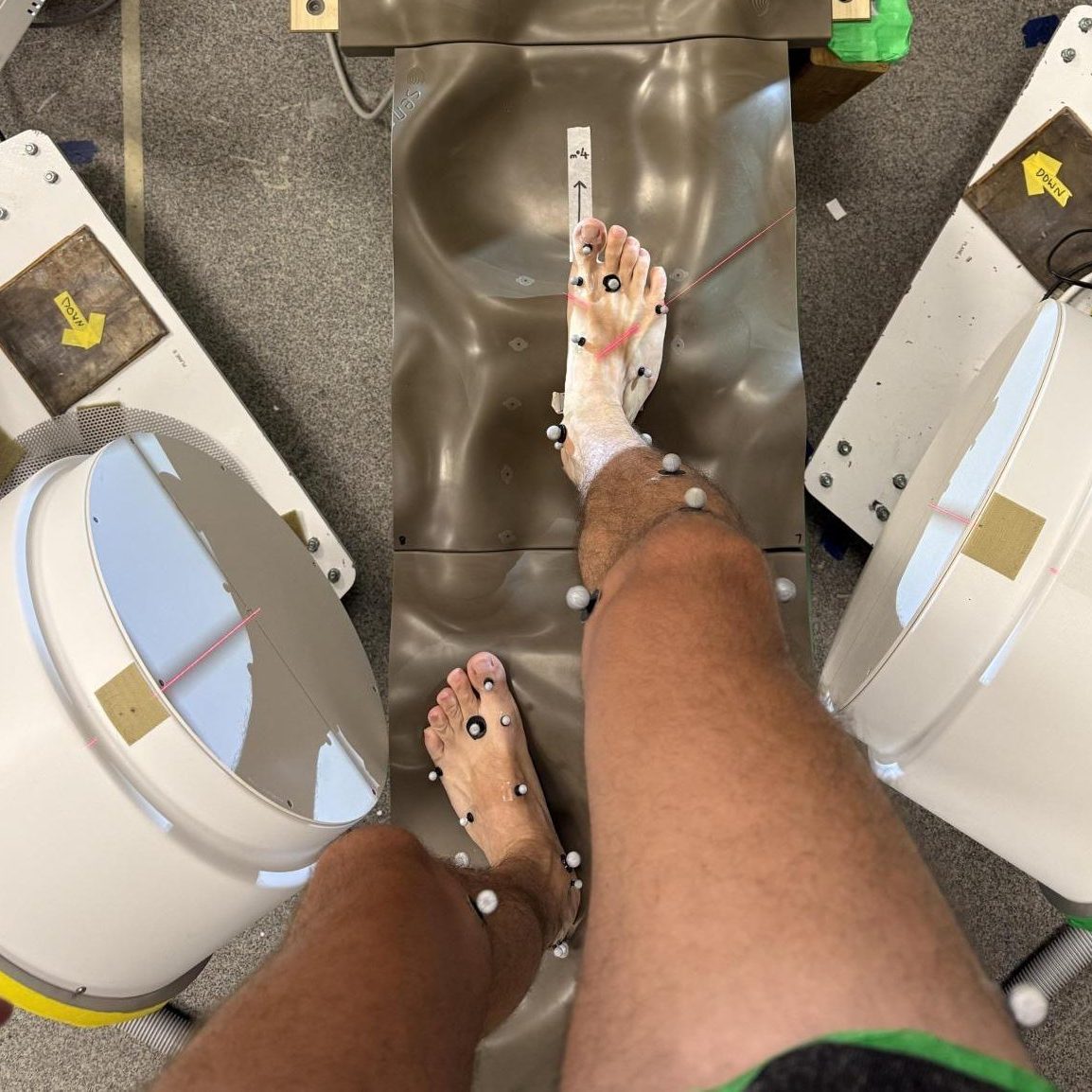
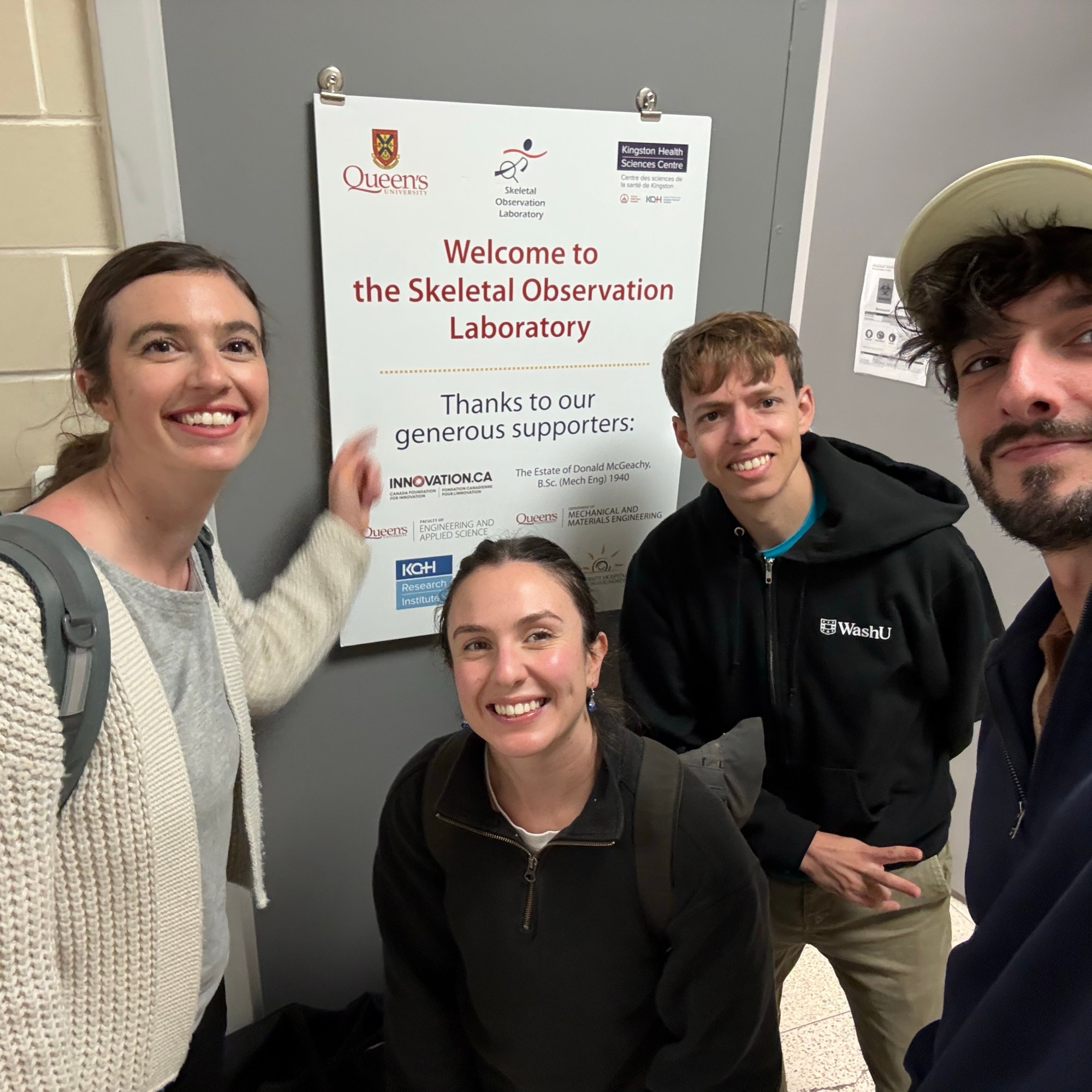
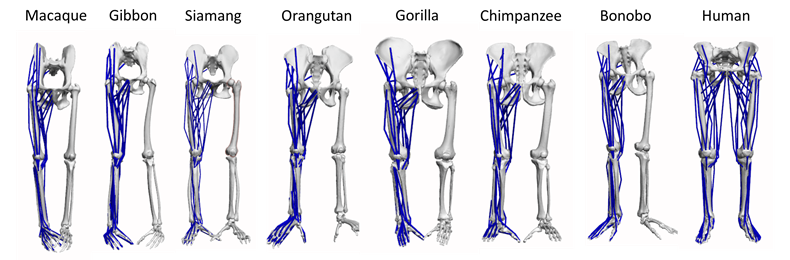
The STEPS project investigates how hominins moved through their environments and how anatomical features shaped locomotor strategies. It considers the selective pressures exerted by natural landscapes and how these may have driven changes in skeletal form and function to support efficient movement. By combining evidence from fossil and comparative anatomy with computational and experimental approaches, STEPS aims to shed light on the relationship between anatomy, locomotor performance, and ecological adaptation.
STEPS is a five year project (2025-2030) led by Dr Ashleigh L Wiseman and funded by an ERC Starting Grant. The team comprises core project members and collaborators based at the University of Cambridge, who will work with collaborating biological anthropologists, anatomists and biomechanists at a range of international institutions.
The STEPS Project
This research is funded by an ERC Starting Grant (grant number 101219207).
McDonald Institute for Archaeological Research
University of Cambridge
Downing Street
Cambridge CB2 3ER
Contact the team: steps@arch.cam.ac.uk