Diary of Data Collection at Queen’s University, Canada
Diary of Data Collection at Queen’s University, Canada
The trip
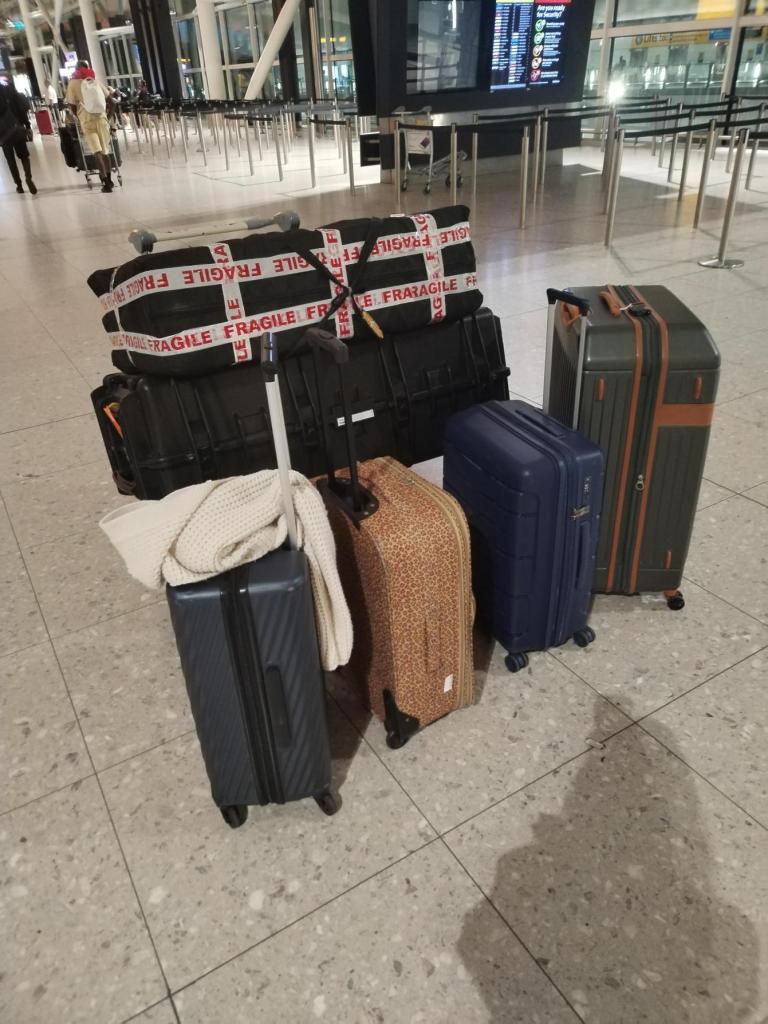
Our journey began at the very reasonable hour of 3:45 in the morning. A taxi drove us from Cambridge to Heathrow, the streets still dark and mostly empty, and then the long wait for a flight that would take us across the Atlantic. We were not travelling alone. With us, we carried several heavy, towering suitcases, all of them filled with the rest of the materials that we would need later in Kingston. After eight hours of flight, Toronto. But we did not have time to catch our breath: a very tight connection onto the bus to Kingston had as running in the airport so we would not miss it. Indeed, it was one of those journeys that seems to have no end: taxi, airport, plane, airport again, bus, taxi again, and finally, Kingston.
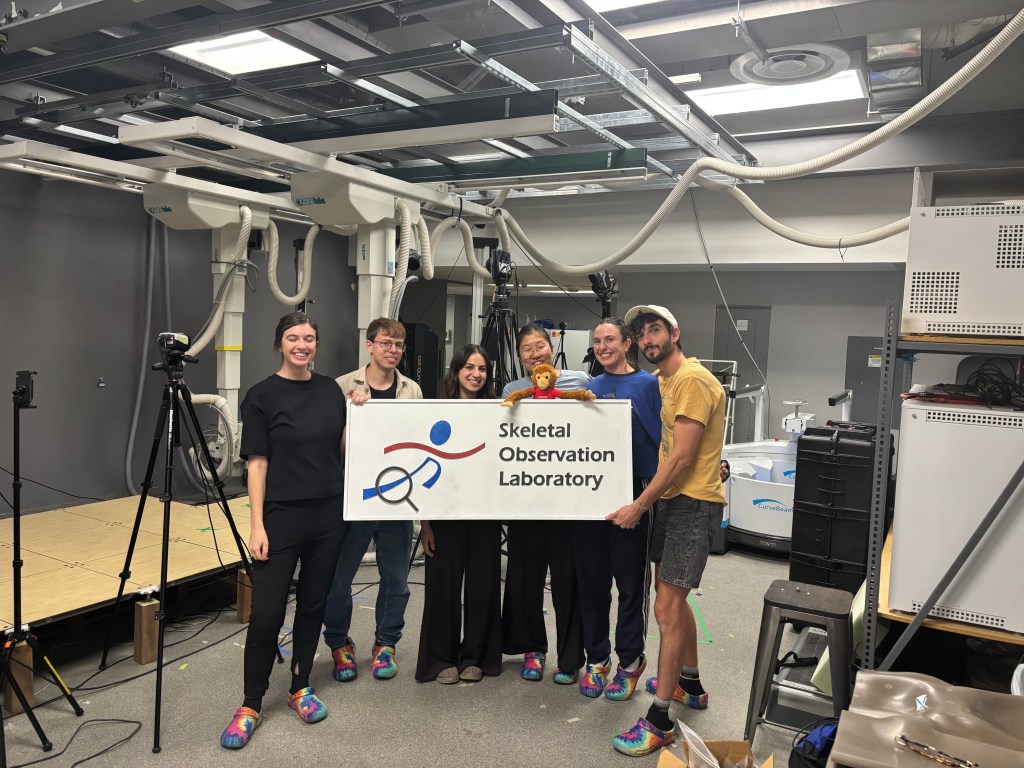
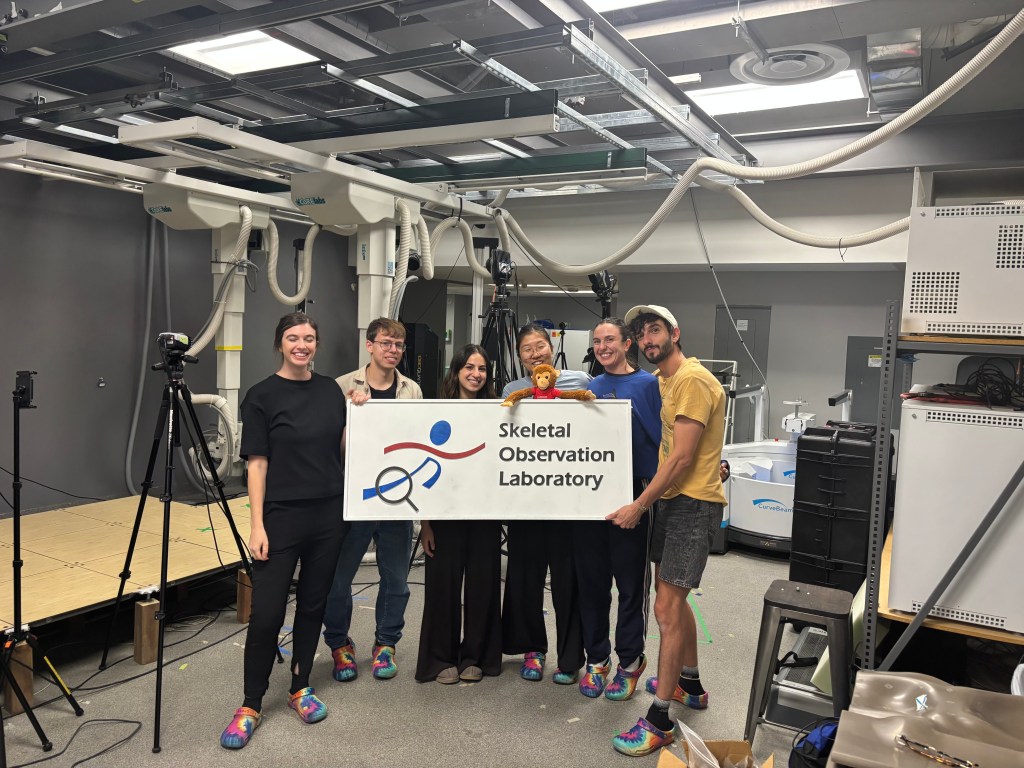
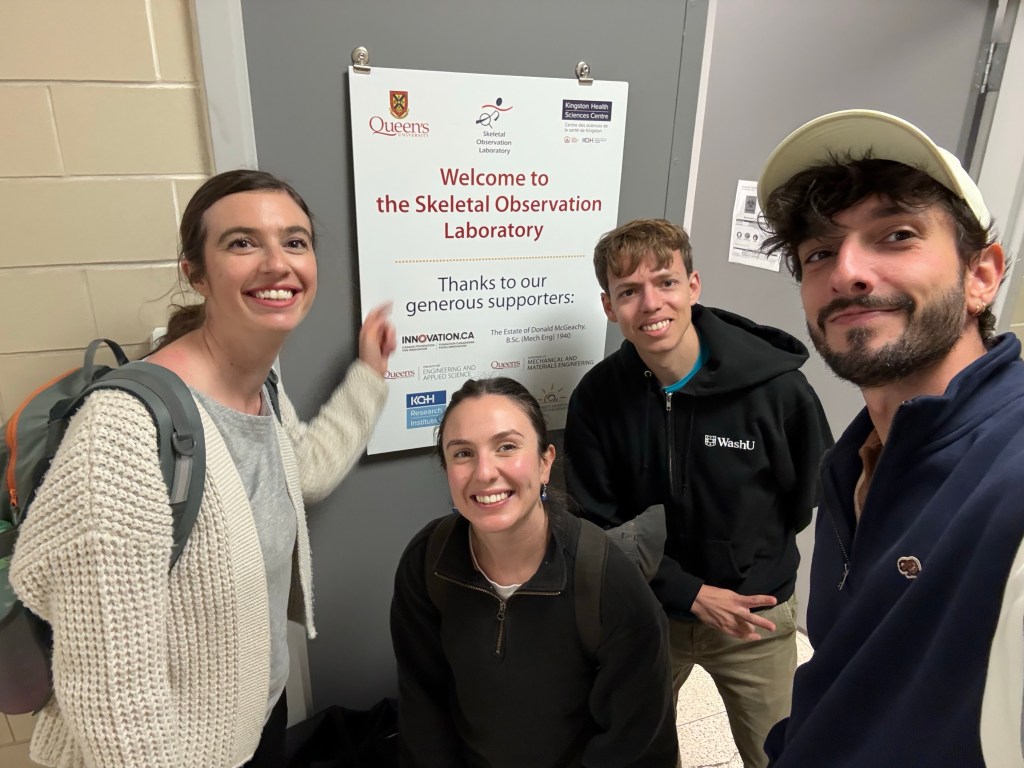
We arrived with just enough energy to left for dinner with Prof. Michael Rainbow, Principal Investigator of the Skeletal Observation Laboratory, at Queen’s University, and his team, Quinn Yetman (PhD candidate) and Dajung Yoon (MASC student), that would host and accompany us over the coming days. There was food, conversation, introductions, and, beneath it all, the first sense that the days ahead were going to be intense.
The pilot study
Although one of us, Grégoire, had already been in Kingston for several weeks, setting up the experiment and running preliminary trials, there was still the unavoidable final stage before the real data collection could begin: calibration, adjustments, troubleshooting, and making sure that everything would work when the real experiments start.
Time was a limitation, and we really needed to go over all possible problems that we might encounter later. The pilot study quickly turned into a nearly twelve-hour day.
One of the main problems we came across was related to the static trial. When employing marker-based motion capture, it is necessary to carry out a stationary calibration to ensure that the software can map reflective markers to anatomical positions and define a baseline skeletal model. To make sure that all the markers were visible for the kinematic data collection, the cameras had to be repositioned and reconfigured several times, until we consistently succeeded in recovering the marker configuration during the static trial.
Another issue was the repositioning of the XROMM (X-ray Reconstruction of Moving Morphology) cameras. During these experiments, we were able to combine different methodologies at the same time, including marker-based and marker-less motion capture and XROMM. The latter is a very powerful technique that allows to capture and visualize bone movement in vivo using high-speed X-ray cameras that record the participant from different angles while they perform a movement or activity. Because we employ different conditions in our experiments, we had to adjust the XROMM cameras several times to ensure that the foot would be properly visualized under all different terrain conditions.
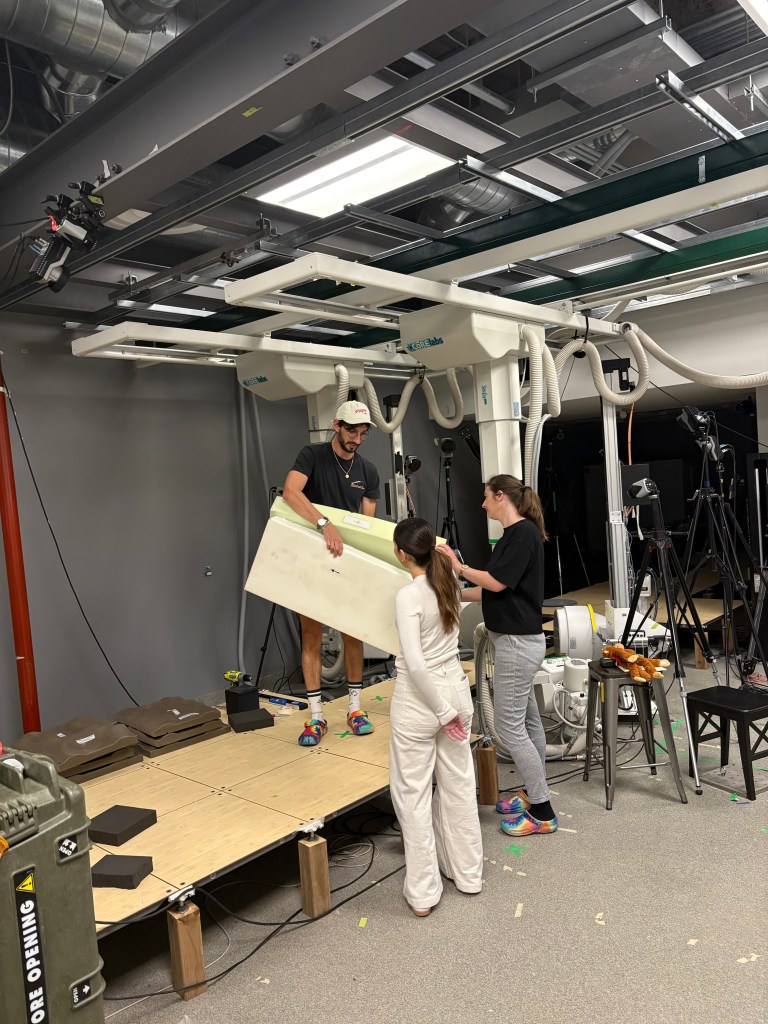
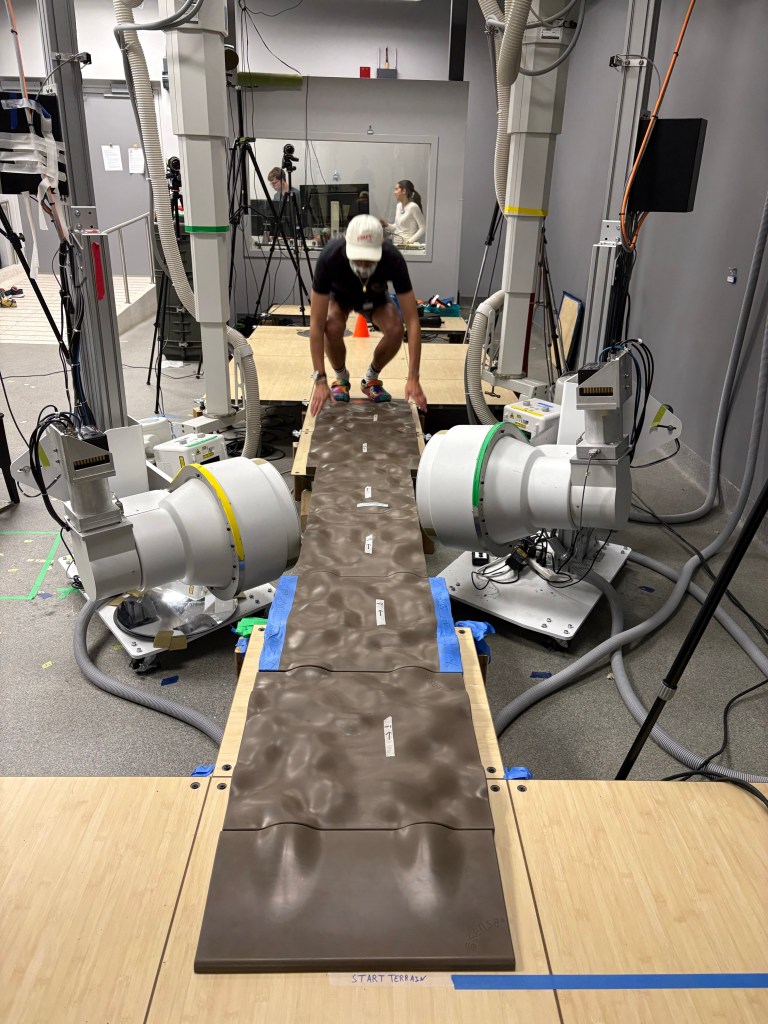
By the end of the day, everyone was exhausted. There was, however, one person who was probably considerably more tired than the rest of us. Ella undertook the task of being our participant for the entire pilot day, spending hours covered in markers, waiting patiently while cameras were moved, configurations changed, and experiments repeated, sometimes again and again, to make sure that everything was right.
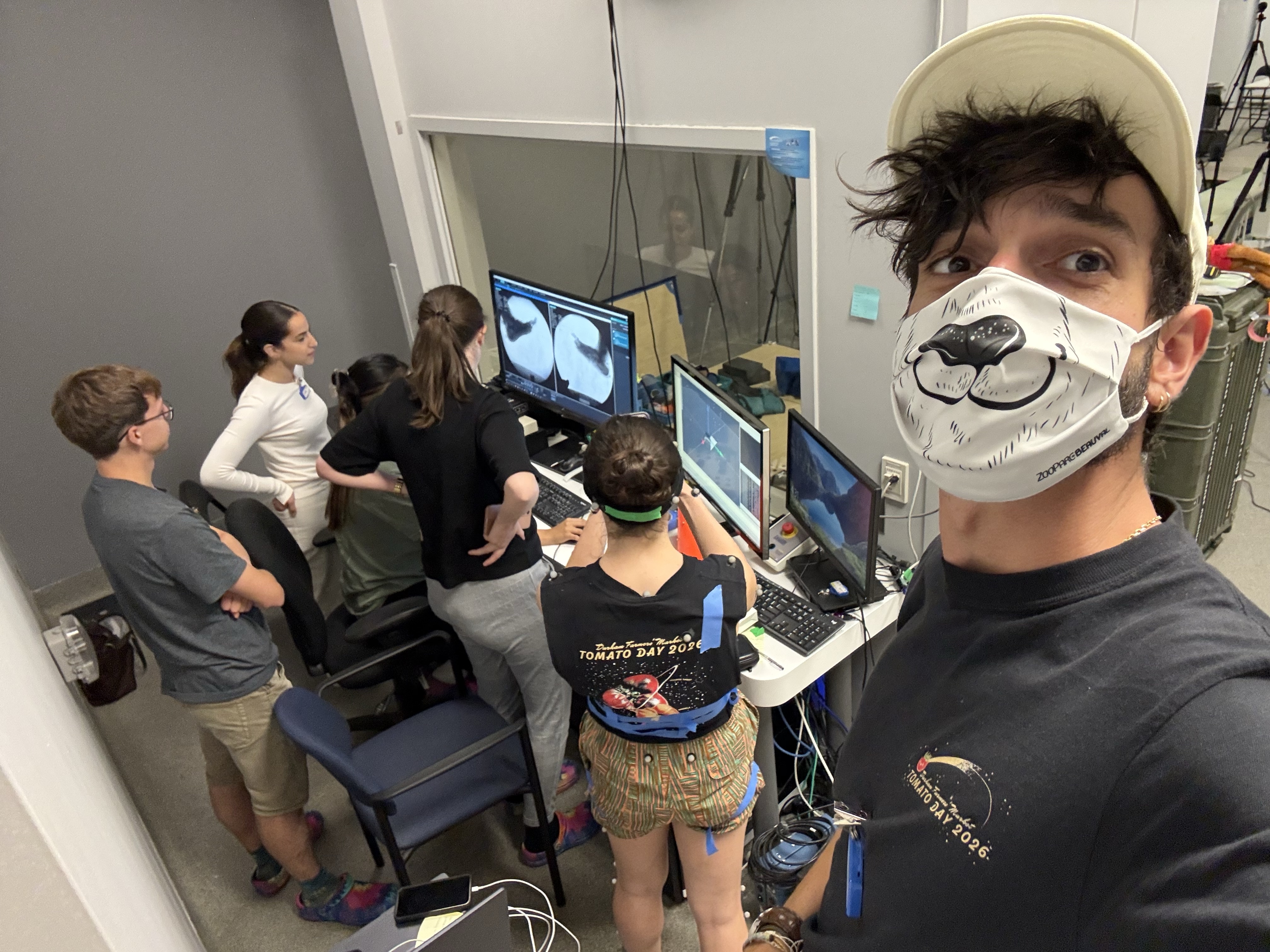
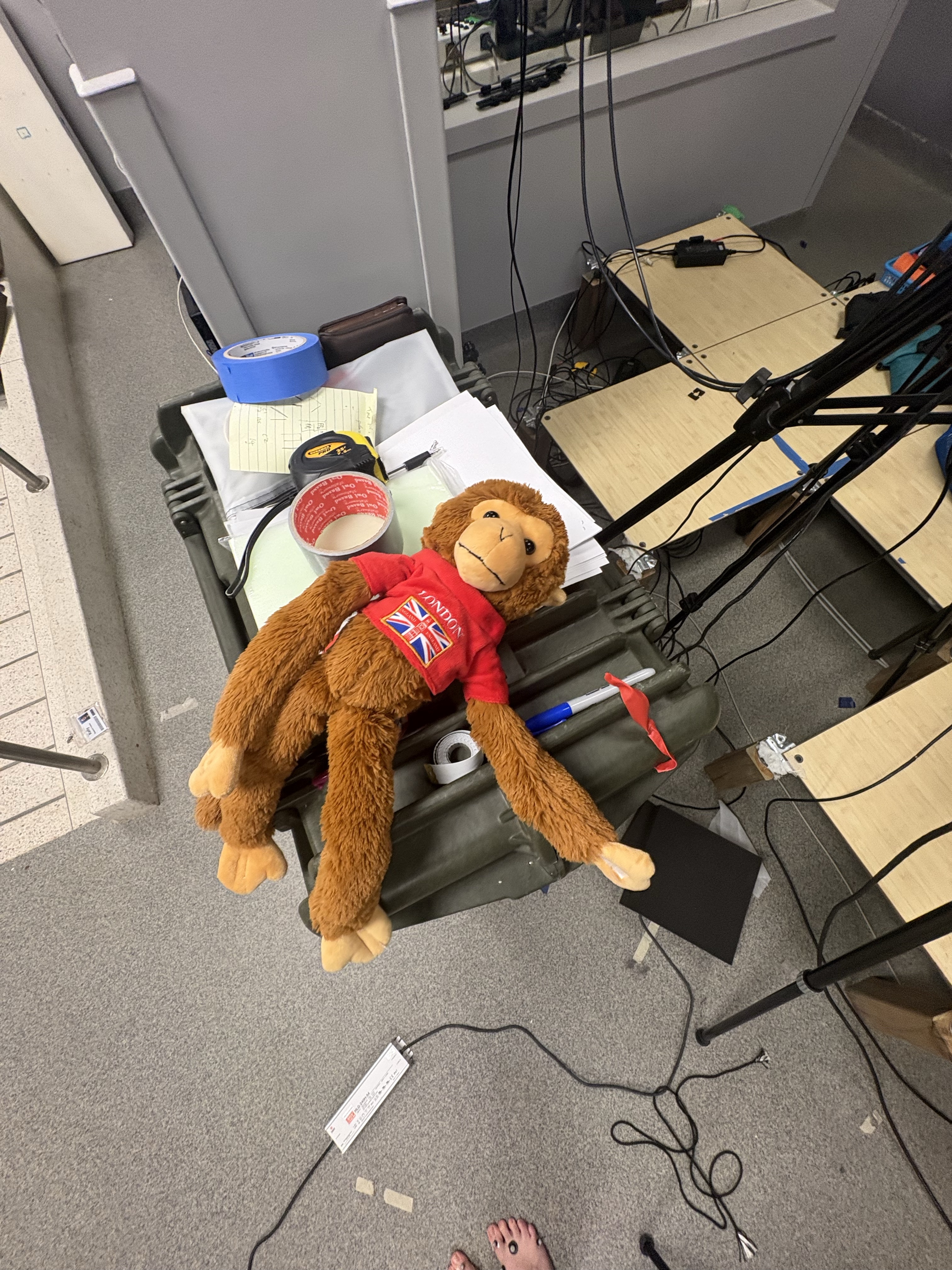
Although every small problem seemed to lead to another, slowly, the pieces gradually came together. This was due in no small part to the enormous help of Dajung and Leila Lubbad, a MD who was volunteering with the group. Their support made a real difference in getting everything ready.
At last, everything was ready and the experiments could begin.
The experiments
On Friday the real experiments began. And they began with us. This is because we decided that, before bringing in new participants, the best way to establish a rhythm was to train using ourselves. The protocol was complex (there were many different techniques involved in the experiment) and we needed to practice all the transitions between them. The idea was that, once everything was running smoothly, we would be able to collect data from two participants per day.
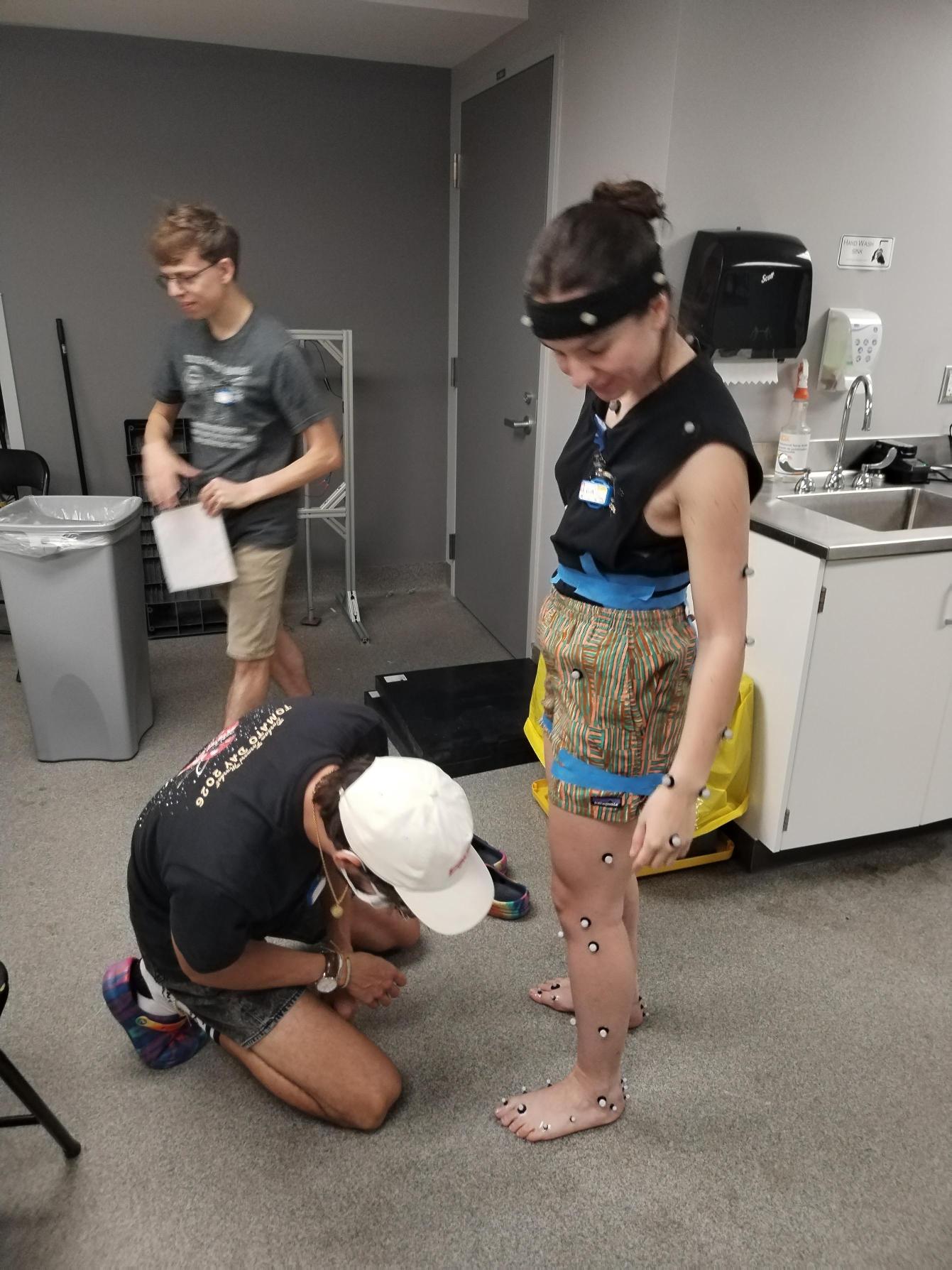
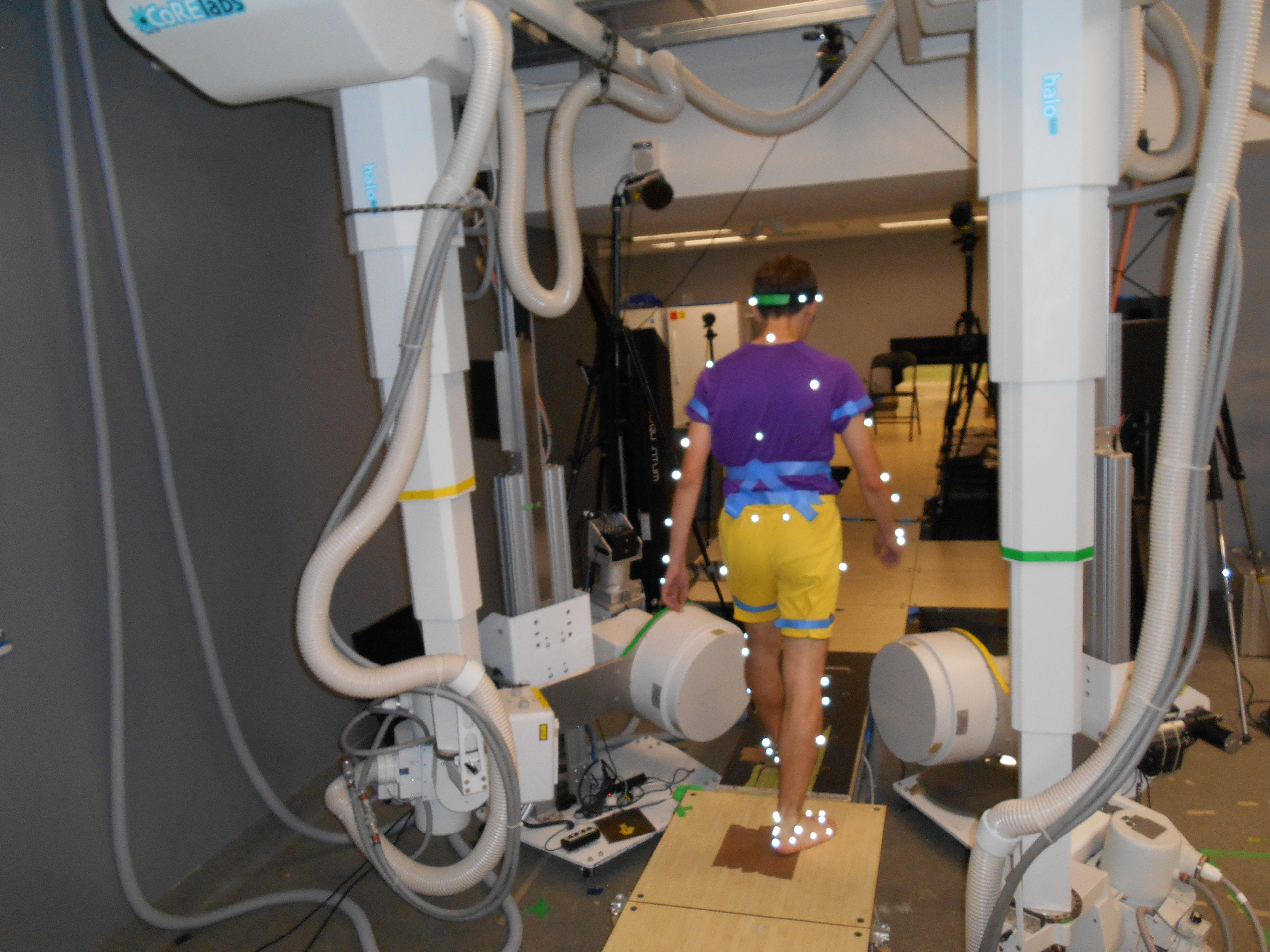
Friday was a day of learning by doing. Monday was another opportunity to repeat, refine, and improve. Four people in the group, all taking turns between being researcher and participant, discovering where the protocol could be faster, where instructions needed to be clearer, and where another small adjustment could save minutes later.
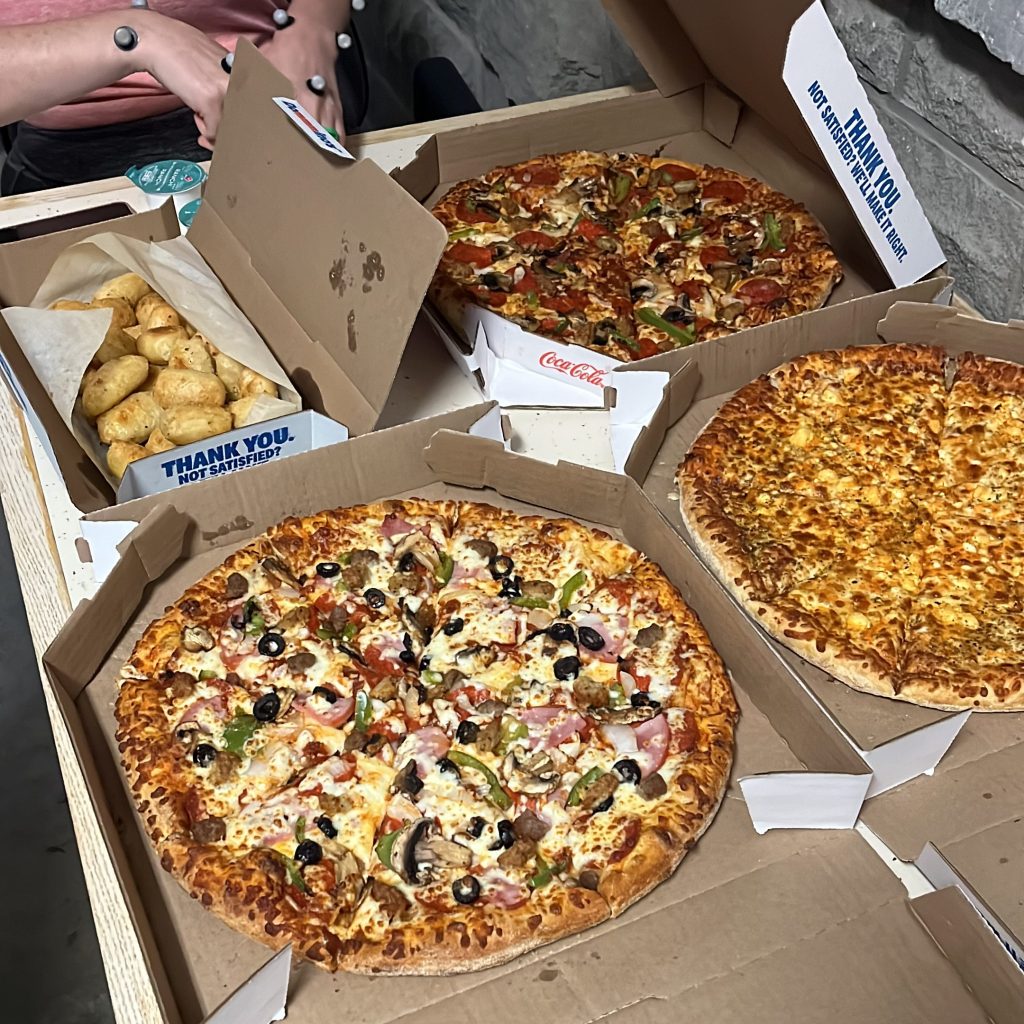
Monday was particularly intense: we did not finish until after 10 p.m., stopping only for a delicious pizza break to recharge our batteries before tackling the final couple of hours. Science requires dedication, but apparently, it also requires pizza!
Once we had overcome the main difficulties, it was time to welcome the other participants into the lab. We owe them a big thank-you for their patience, commitment, and resilience throughout the process. Each session typically lasted around four hours, requiring participants to complete the different experimental conditions while we recorded their movements. Everyone did a fantastic job, and thanks to their willingness to volunteer, we were able to collect the empirical data that will enhance our future analyses.
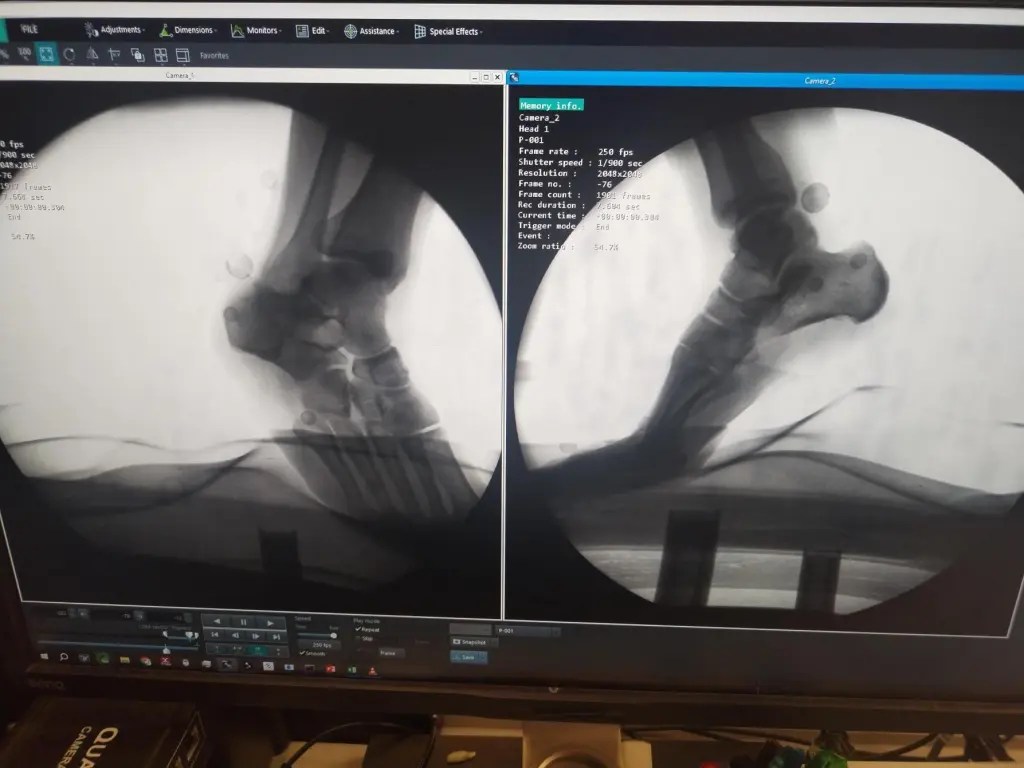
There was another important step in the protocol: CT-scanning the participants’ feet. This is because XROMM is, in fact, a dual technique. High-speed, biplanar X-ray videos allow to capture bone movements, but this is only one part of the story. We also need three-dimensional models of the relevant bones, obtained from CT scans, to reconstruct and track their movements accurately. Combining these anatomical models with the X-ray videos will eventually allow us to investigate foot biomechanics in a level of detail that would be impossible to achieve using external motion capture alone.
On Thursday night, our mission was finally accomplished. We had reached our most ambitious goal: 10 participants! The whole team went out to celebrate with a beer (which, as it turned out, eventually turned into shots of mezcal later that night…).
But not everything was work
Fieldwork can be intense and full of challenges, but it is also a wonderful opportunity to explore new places, enjoy new experiences, and have plenty of fun along the way.
Kingston turned out to be an amazing city, with lots of lovely places to visit and explore. We discovered several breweries, enjoyed live music, and explored the city’s fantastic gastronomic offerings. After long days in the lab, there was nothing better than heading out, sharing a meal, and enjoying some well-deserved downtime together.
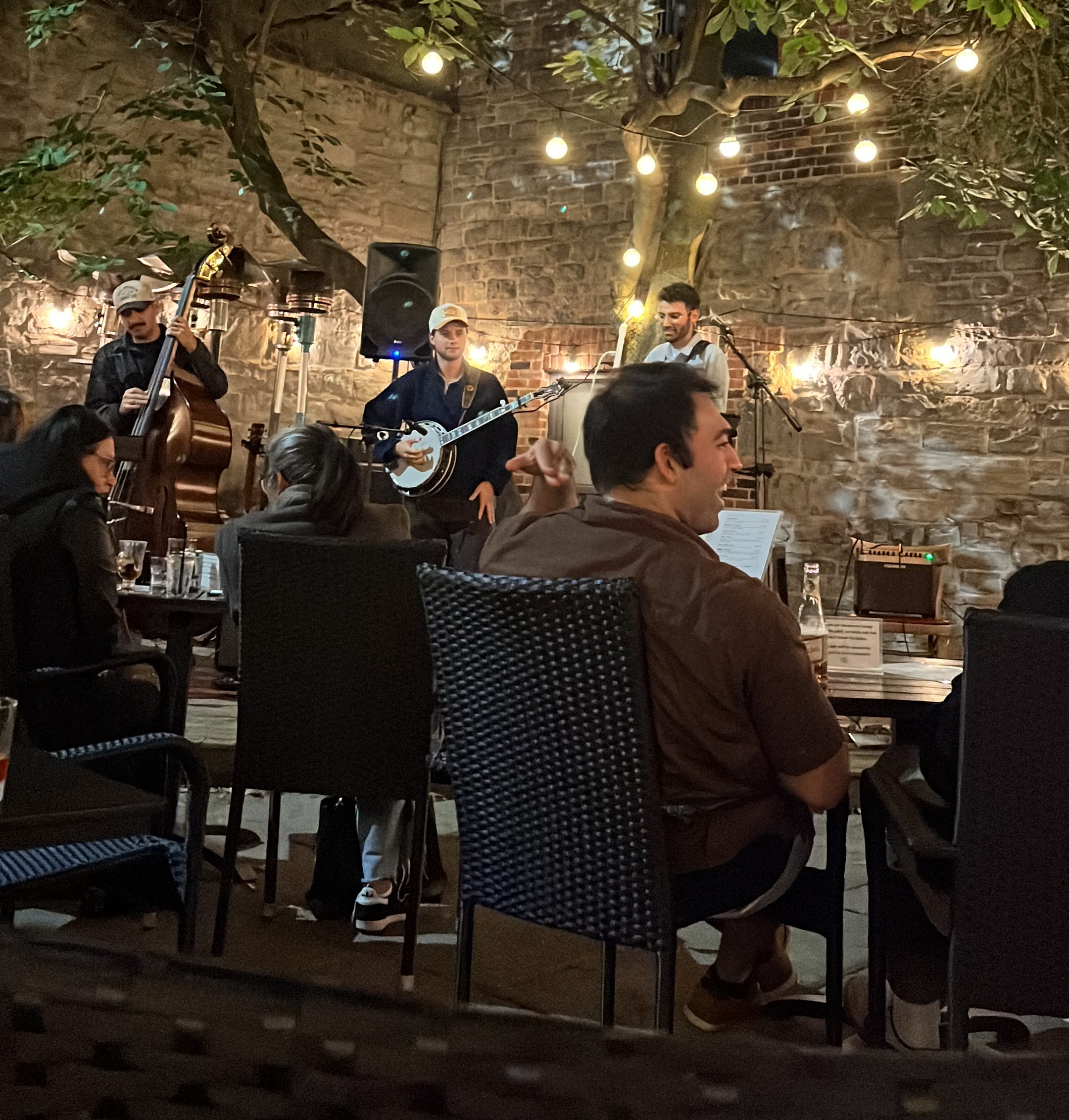
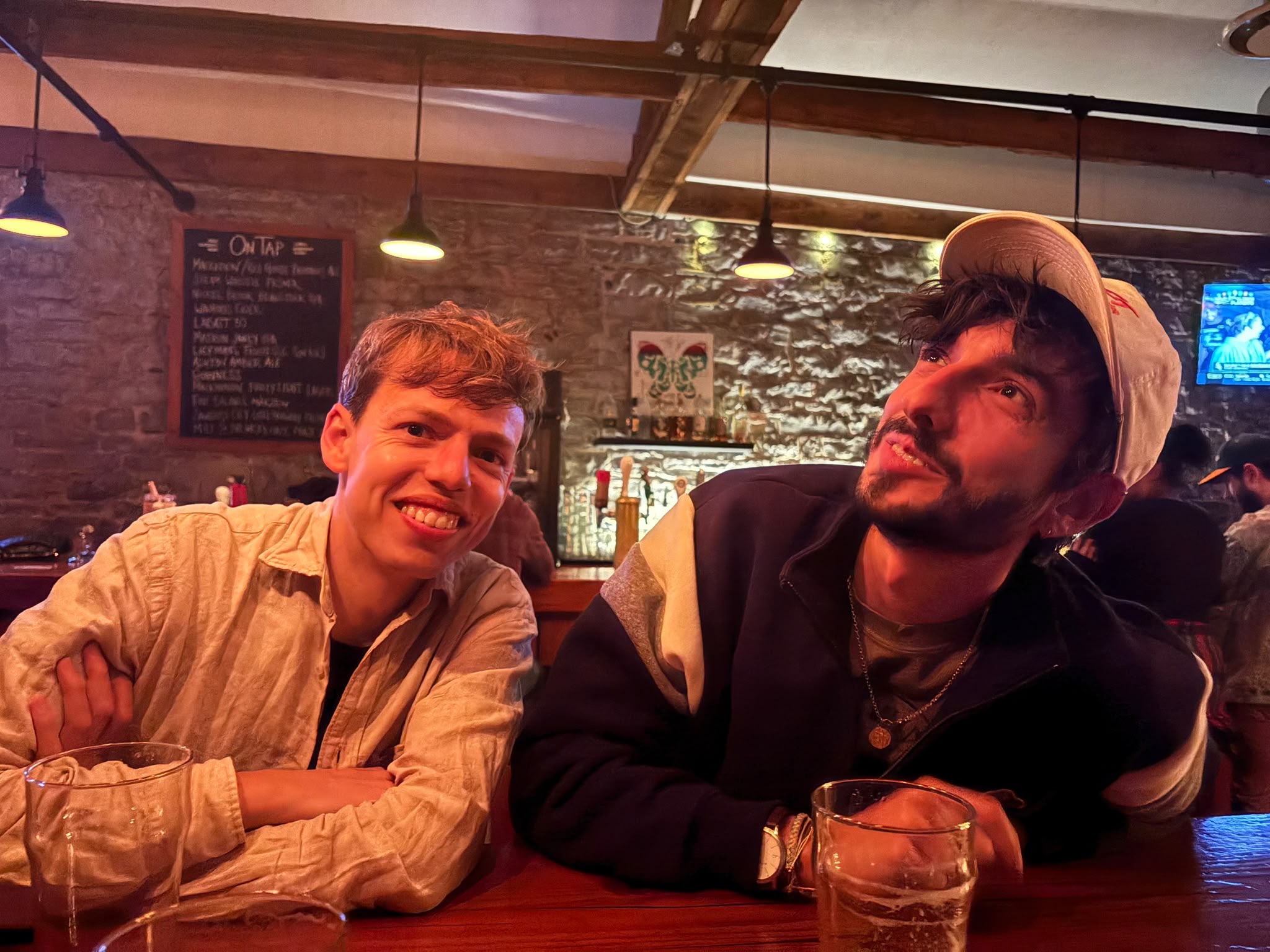
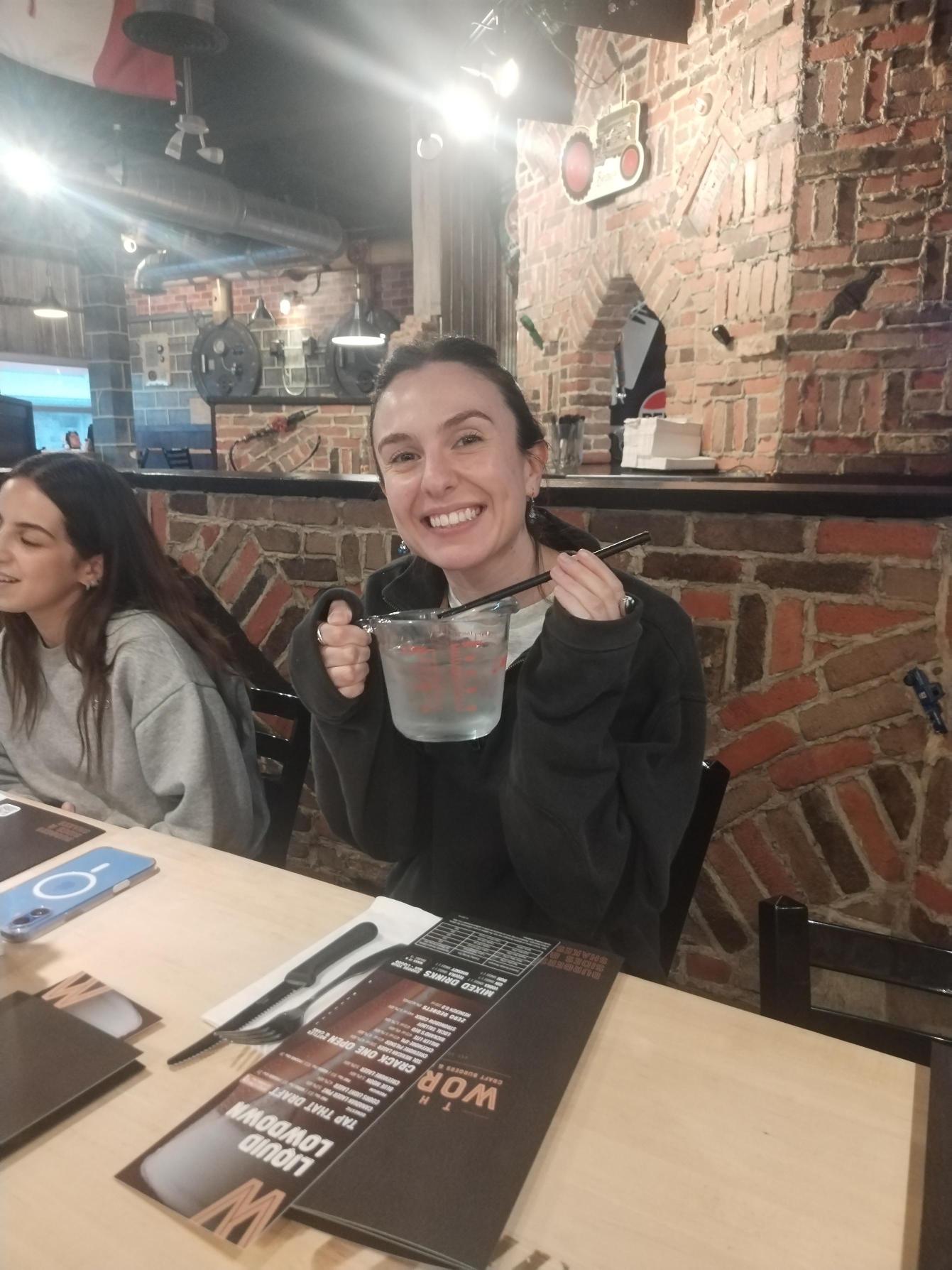
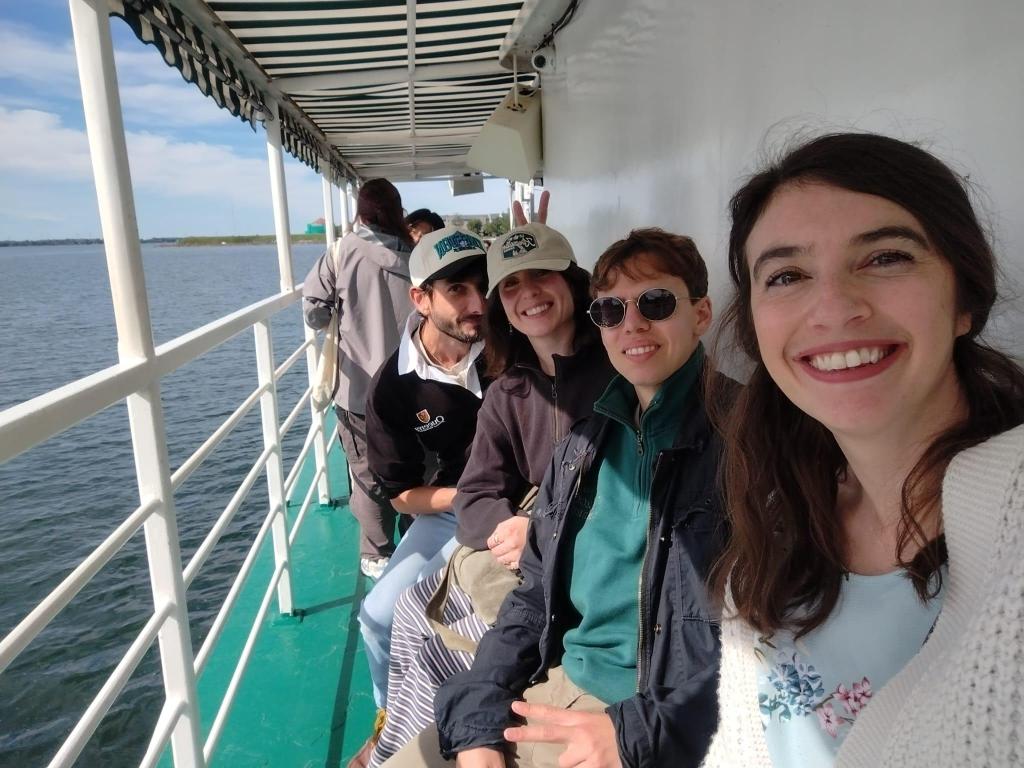
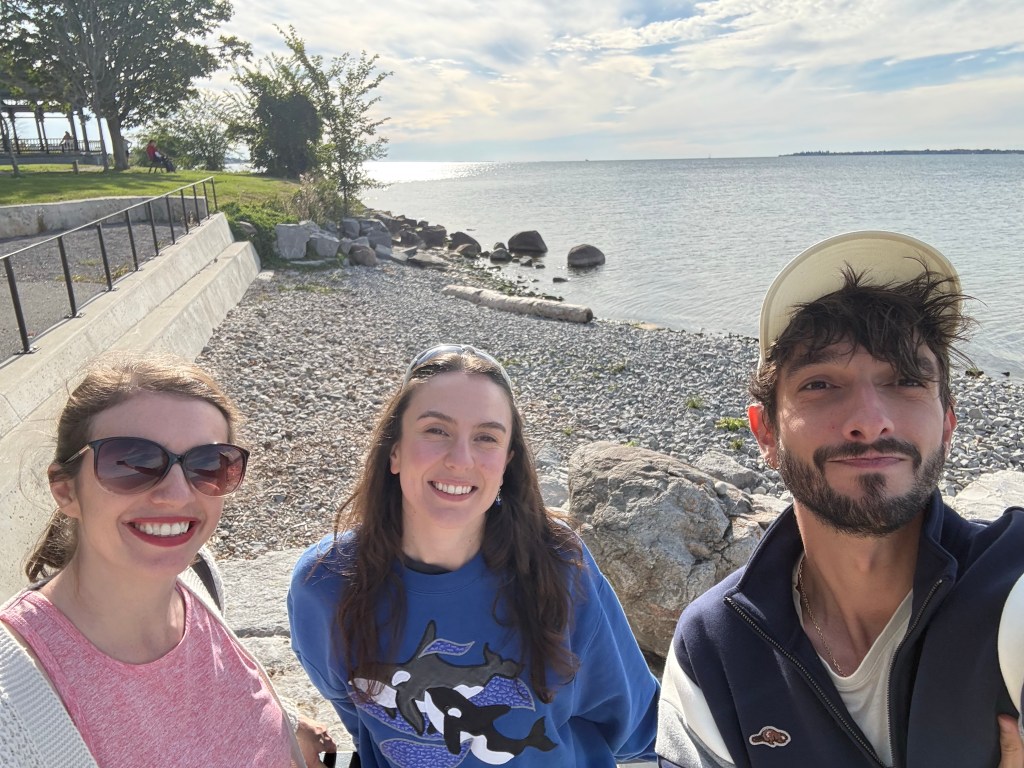
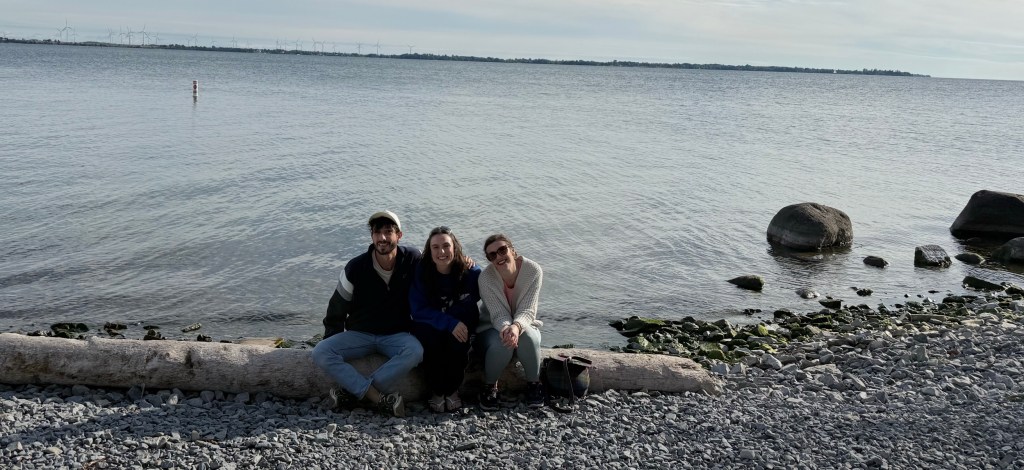
And what can we say about Lake Ontario? Running along the waterfront at sunrise, swimming, canoeing, and paddleboarding were just some of the spontaneous adventures that filled our free time. Surrounded by beautiful landscapes, the lake provided the perfect setting to recharge after our long working days. We even managed to squeeze in a short cruise across the lake and visit some of the area’s hallmarks.
Conclusions: Data, discoveries, and new friendships
Our research trip to Kingston was intense, demanding, and occasionally exhausting, but also an incredibly rewarding experience. We travelled across the Atlantic with large (really large!) suitcases full of equipment, spent long days calibrating cameras and refining protocols, and worked together to collect a unique dataset to the study of human foot biomechanics.
And, although the hard work is behind us, the most exciting part is still to come. By combining different techniques, we hope to gain new insights into how the foot moves under different conditions and how its complex anatomical structures contribute to locomotor function. We hope that this work will contribute to a better understanding of foot biomechanics and, in the longer term, help us explore broader questions about how our ancestors walked along complex terrains millions of years ago.
None of this would have been possible without the fantastic people who helped make the trip a success. We would like to express our sincere gratitude to Prof. Michael Rainbow and his team at Queen’s University for their hospitality, generosity, and invaluable support throughout our stay. Special thanks go to Dajung Yoon and Leila Lubbad for their help in the lab and for making us feel so welcome. Finally, we are also deeply grateful to all our participants, whose time, patience, and enthusiasm made this data collection possible.
Next stop: South Africa!