Methods

I use a range of imaging techniques (e.g., CT scans, MRI scans, photogrammetery, laser scanning) and biomechanical tools (e.g., musculoskeletal modelling, inverse kinematics, predictive simulations) to investigate fossil movement. To be able to understand how an extinct species moves, we need to do the following: (1) collect 3D scans of the specimen, (2) reconstruct the damaged specimen and rearticulate the joints, (3) reconstruct the musculature, including parameterisation of said muscles and (4) animate the specimen with movement to understand its capabilities.

For examples of the types of methods implemented, see my 2023 paper on 3D polygonal muscle reconstruction (see: link) and my research on inverse kinematics (see: here and also here).

AL 288-1 is also known affectionately as ‘Lucy’, belonging to the species Australopithecus afarensis, dated to around 3.2 million years ago. She was named ‘Lucy’ after the Beatles song – ‘Lucy in the Sky with Diamonds’, which was playing as the excavation team discovered her.

An overview of the process I use to construct a 3D musculoskeletal model is visualised in the below diagram:

A workflow from imaging to musculoskeletal model creation, from Wiseman 2023

I am actively contributing to the development of new tools and methods, such as the 3D polyongal muscle approach – see here! And I am involved in developing new methods to assess how we can best reconstruct motion in fossil specimens. Such techniques are implemented using 3D modelling software (e.g., Maya Autodesk) and biomechanical software (e.g., OpenSim, MOCO). You can see a workflow diagram of this process below in which MRI scans guided polygonal muscle reconstructions in the famous Lucy skeleton, finally leading to the creation of a musculoskeletal model.

I have scanned hominin Plio-Pleistocene fossil remains in Kenya and South Africa.

In this photo, you can see me using photogrammetry to make a 3D model of the fibula of Nariokotome Boy (Homo ergaster, dated to ~1.5 million years ago).

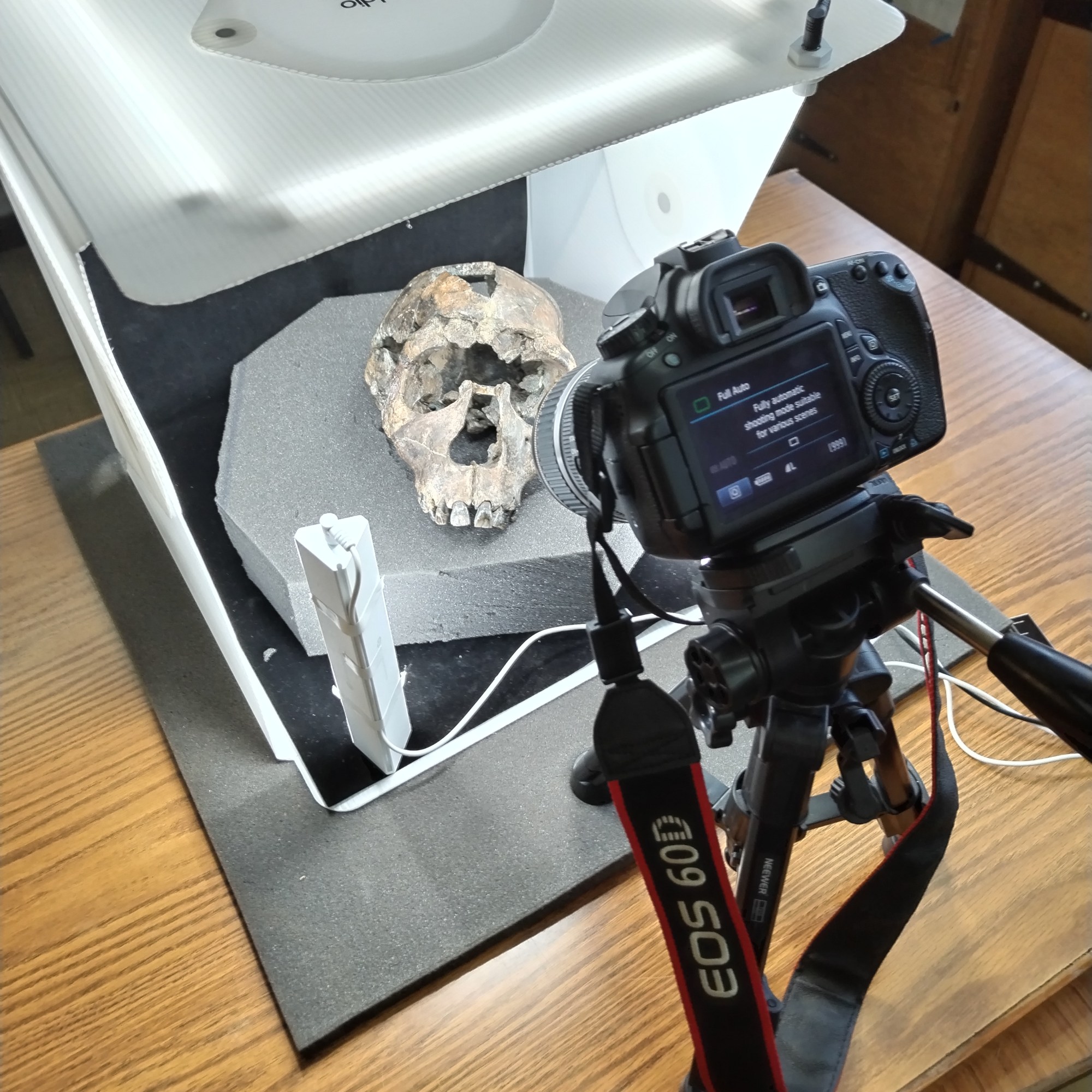
And in this photo, you can see a photogrammetry set-up of the Nariokotome Boy cranium. I use a mix of photogrammetry and light/laser scanning to collect 3D models. Whilst the latter is much quicker, I prefer photogrammetry because the texture quality is typically much higher. Having a higher texture is extremely useful for examining the 3D bony models to identify muscle scarring and insertion locations. Identifying these locations on the bones is needed to build the 3D musculoskeletal models. If this isn’t possible, proxies can of course be used.

I collected this data in January 2023.

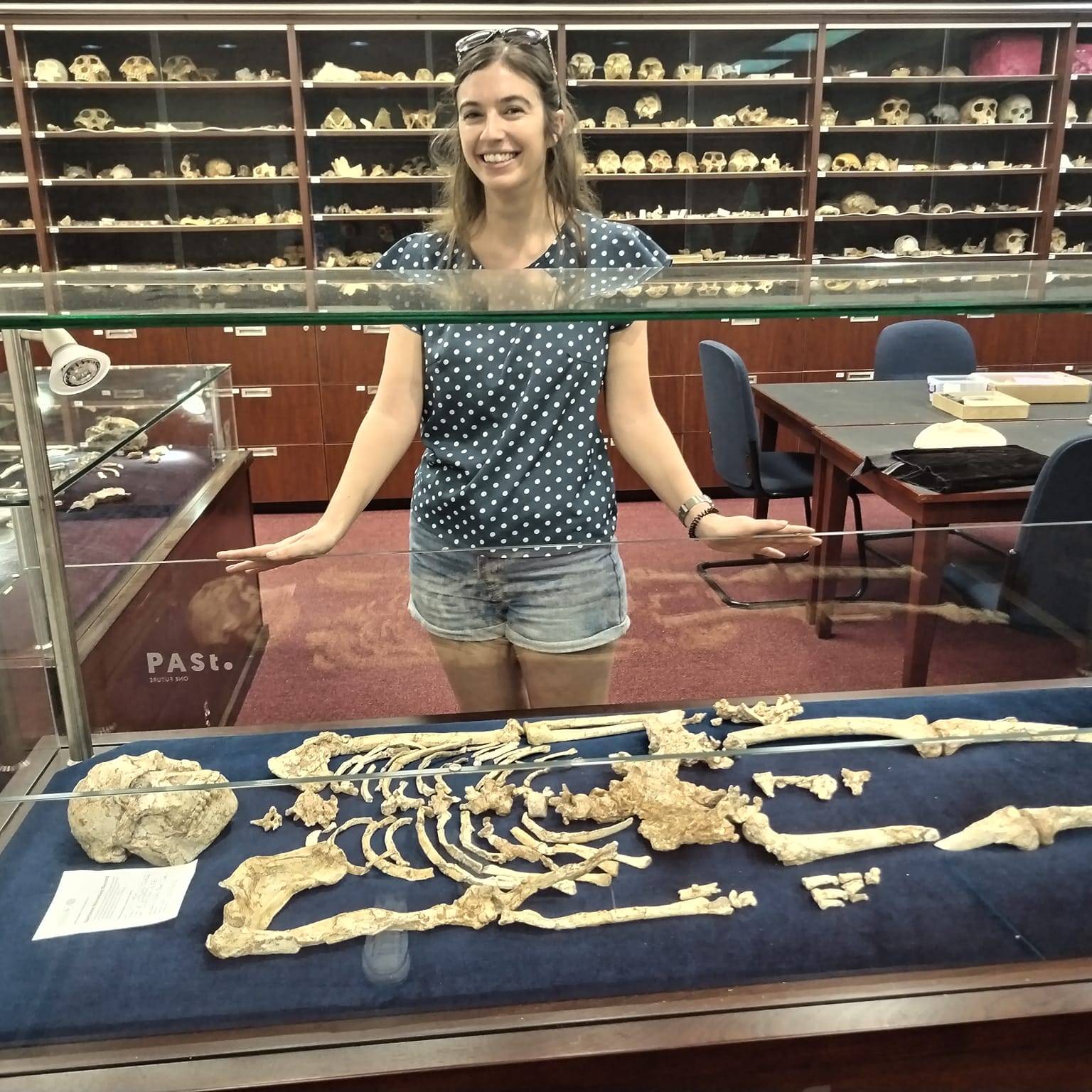
I have also visited Wits in South Africa to study and examine Pleistocene fossil material, such as the famous Little Foot skeleton! This is one of the most complete Australopithecus skeletons found!

Using light scanner, I collected 3D models of this specimen and research is ongoing… more soon!

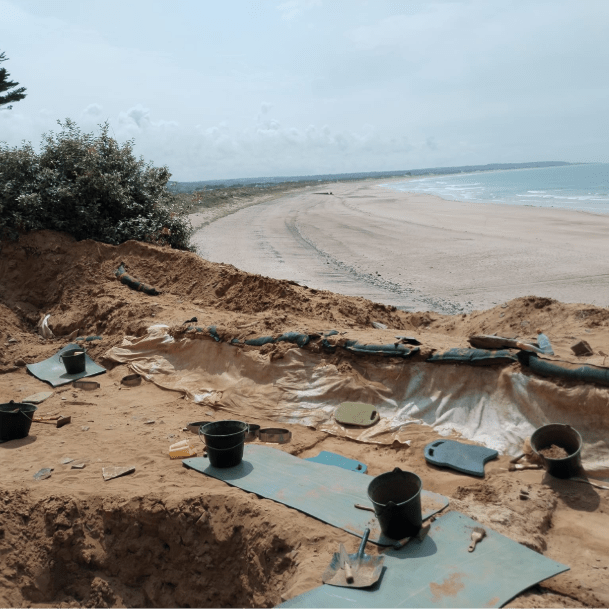
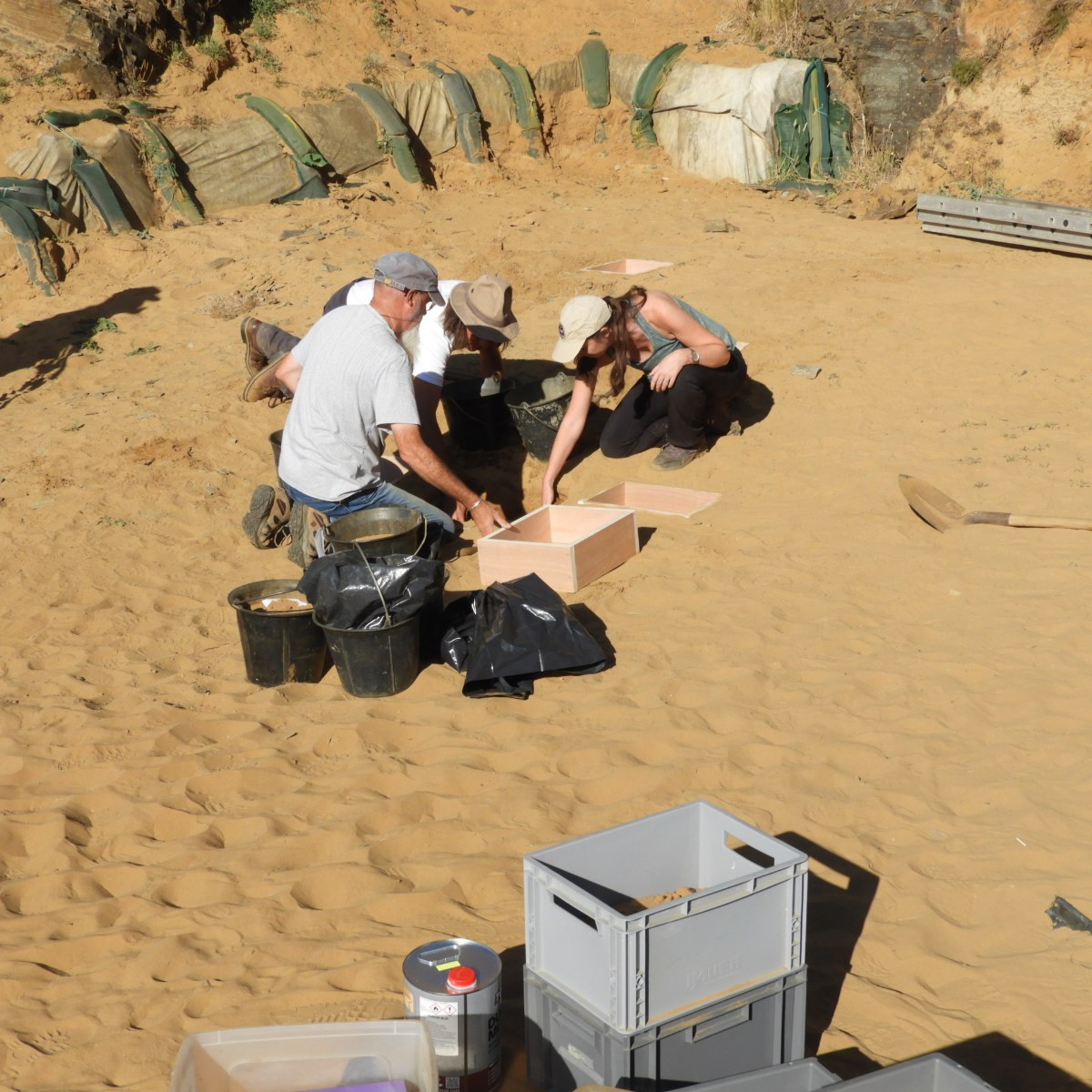
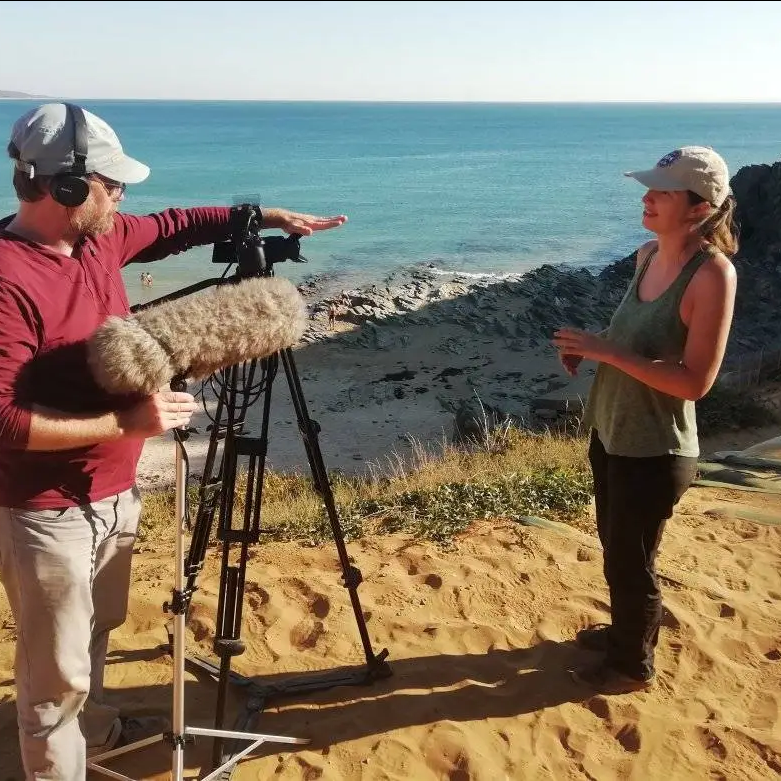
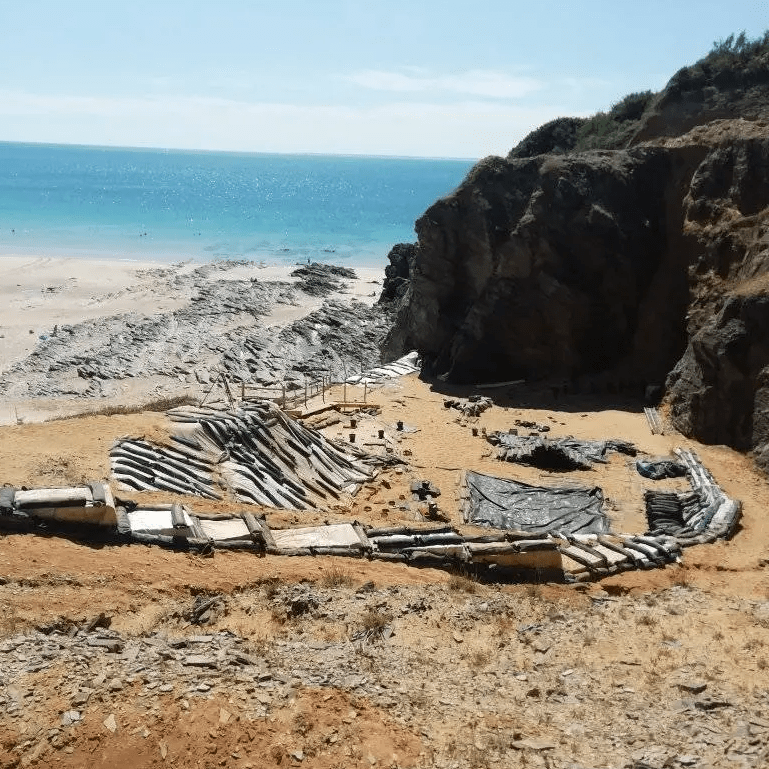
I am also actively involved in excavations and on-site experimentation at the Neanderthal Rock Shelter Site of Le Rozel. In 2022, we filmed a documentary about the site and our experiments trying to ascertain if the Neanderthals wore footwear – you can watch it in English here.

On site, we are searching for Neanderthal hand and footprints! 1000s so far have been uncovered since 2012. Most of the prints belong to young children.

Finally, I also use a range of other methods to help me understand how hominins moved. I am actively involved in primate dissections in Belgium (don’t worry – all specimens died naturally in a zoo setting and no animals were sacrificed for this work!). I have also been a visiting researcher to multiple different institutions, learning new skills along the way, such as trabecular analyses of bone loading patterns, computational simulations skills, and extensive skills in comparative anatomy.